Wild animals inside a home or business create a special kind of stress. You hear scratching in the attic at 2 a.m., or your dog fixates on the crawlspace vent, or you find guano grains sifting down from a gap around a chimney. You do not want a quick spray and a goodbye. You want the source found, the animals removed without cruelty, and the structure sealed so the problem does not come back. That is the heart of good wildlife control, and it is where choosing the right company makes all the difference.
I have seen both sides. I have walked into homes where a raccoon fell through a bathroom ceiling because a previous provider set a trap but never addressed the broken soffit that invited her in. I have also watched a technician catch a gray squirrel by hand using a noose pole, then hand it off to a colleague who installed a one-way door and metal flashing so precisely the animal could not return. Price matters, but the consequences of a poor choice cost far more in repairs, health risks, and repeat visits.
This guide will help you separate true nuisance wildlife management professionals from one-and-done trappers, and it will give you the language to ask better questions when you call.
What makes wildlife work different from general pest control
The work is closer to construction, veterinary ethics, and detective work than it is to spraying baseboards. A credible wildlife pest control provider understands animal behavior, building science, disease transmission, and local regulations. Removal is a small slice of the job. The real value lies in diagnosis and exclusion.
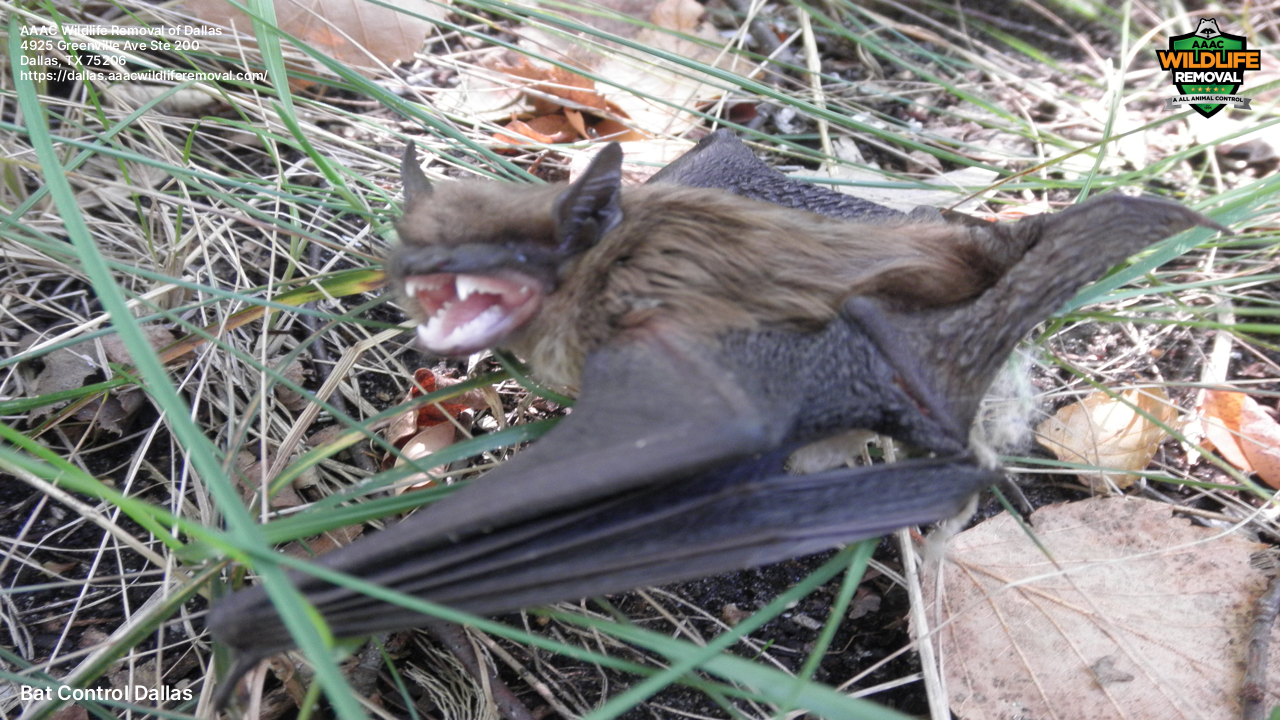
- Animals behave with purpose. Raccoons rip open soffits because there is a quiet, warm space beyond. Squirrels follow framing members and wiring runs as highways across an attic. Bats test every gap that equals the width of a thumb. If you do not anticipate behavior, you will chase symptoms. Buildings telegraph entry points. Torn screens and fresh rub marks on a roofline, grease tracks along a conduit, insulation tossed like confetti around a gable, or small smudges near a louver often tell the story before a ladder goes up. Someone who knows how a house breathes will find the breaches that matter. Legal frameworks matter. Most states treat bats differently from squirrels, and squirrels differently from raccoons. For example, bat maternity season closures can run from late spring into summer, and a reputable company will refuse bat removal during that period and instead schedule post-maternity bat exclusion. If a provider promises bat removal in June without caveats, keep looking.
Credentials that actually mean something
In this industry, acronyms can confuse more than enlighten. A few certifications and licenses correlate with competence and accountability.
State nuisance wildlife control permit or license. This is the baseline. It authorizes wildlife control activities beyond what general pest control licenses cover. It also binds the company to rules about trapping, relocation, and humane dispatch. Confirm the license is active, and ask for the number.
General liability and workers’ compensation insurance. Ladders, roofs, and attic joists make this work risky. Insurance protects you if a technician falls through a ceiling or a tool cracks a tile roof. Ask for certificates, not just verbal assurances.
Rabies vaccination status and training. Many jurisdictions require technicians who handle mammals to maintain pre-exposure rabies vaccination and titers. It is a good proxy for professionalism and safety culture. If the office can answer this question clearly, they likely manage other risks well.
Bat Standards Compliant or similar credentials. Some states or associations publish bat exclusion best practices. A company that follows those standards will not install bat-one-way devices during maternity season, will seal gaps methodically, and will educate you about guano remediation.
Memberships and continuing education. Look for active participation in nuisance wildlife management associations or regional pest control groups. It signals exposure to updated laws and methods rather than one-person, one-trap operations stuck in old habits.

The inspection you should expect and what it reveals
If a company tries to quote raccoon removal or squirrel removal over the phone without setting eyes on the structure, odds are high they will miss something. A solid inspection takes 45 to 120 minutes on a standard single-family home, longer on older buildings with complex rooflines. It includes roof access, attic entry if safe, and a perimeter assessment from grade to ridge.
The inspector should trace activity zones, not just point at the obvious damage. That means checking soffits, ridge vents, gable vents, chimney flashing, attic hatches, plumbing and HVAC penetrations, and any attic knee walls and dormer valleys. In the attic, they will look for latrines, crushed insulation paths, chewed wiring sheathing, droppings by species, and entry light shining through sheathing gaps. They should photograph everything. You want a written report with images, species assessment, entry mapping, and specific recommendations.
I remember a duplex where tenants complained of “rats in the walls.” The first company set snap traps everywhere and left. We inspected and found bat guano along the party wall cavity and a daylight line at a lifted ridge cap. The scratching at dusk was bat movement, not rodents. We scheduled a bat removal plan for late summer, sealed forty-seven lineal feet of gaps, and installed one-way devices. The tenants stopped hearing noises within a week of exclusion. Traps never would have solved it.
Humane methods, clear outcomes
Wildlife removal choices are dictated by species, season, and local rules. A trustworthy provider will outline the options and the likely outcomes.
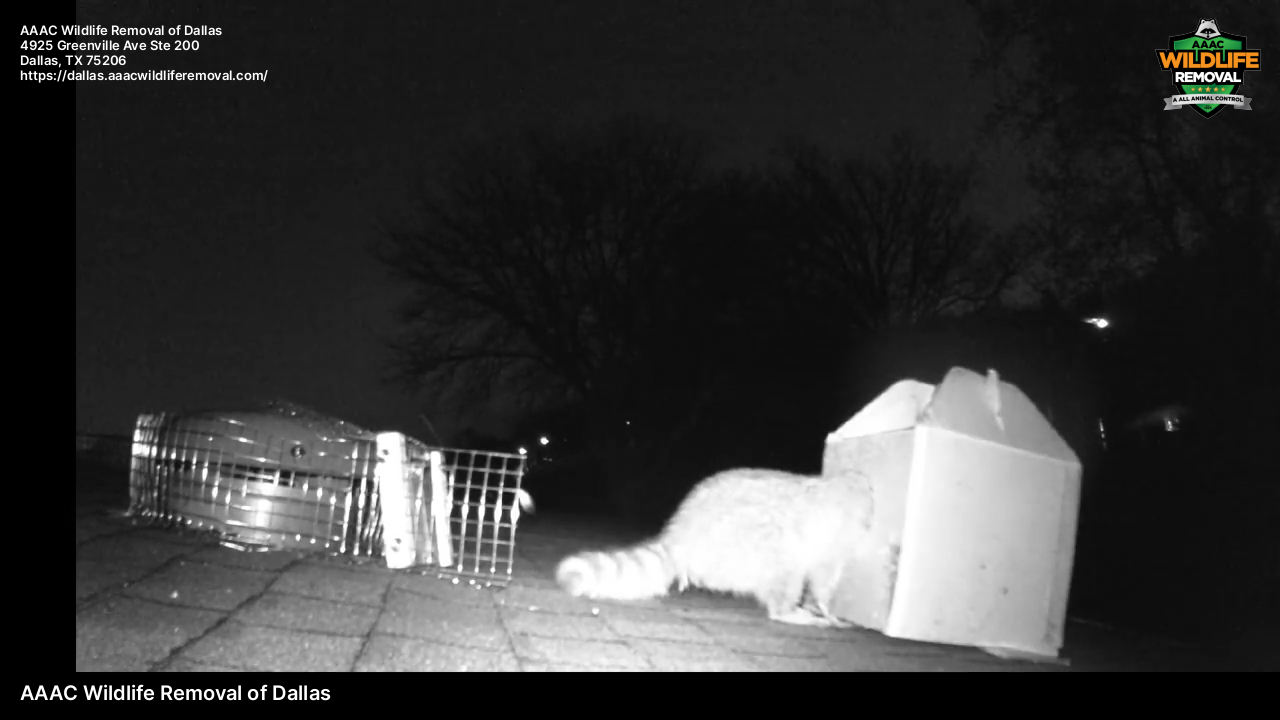
For raccoon removal, exclusion with one-way doors works for non-nesting adults when installed on predictable exit routes. During pup season, which often runs late winter through spring depending on region, pups cannot leave on their own. Good companies conduct thermal scans or careful attic checks to locate nests, then either reunite mother and pups outside with a reunion box or perform hands-on removal followed by sealing. Lethal trapping has its place for aggressive or diseased animals or when regulations require, but it should not be the default.
For squirrel removal, one-way devices combined with sealing secondary gaps is standard. Eastern gray squirrels can thread through holes the size of a walnut and will chew new ones if you leave soft spots. The difference between success and repeat calls is the thoroughness of sealing. If a provider mentions “we’ll set a few traps and see what happens” without discussing how they will block ridge vents and reinforce fascia edges with metal, expect more squirrels.
For bat removal, there is no trapping. Ethical and legal bat exclusion hinges on timing and full-envelope sealing. A company should map every gap wider than a pencil and seal all but the primary exits, then install bat valves at those exits. After the flight period passes and numbers drop to zero, they remove the devices and close those final openings. Any provider offering bat removal in a single day without staging is either inexperienced or ignoring best practices.
For skunks, opossums, and groundhogs under decks or sheds, the gold standard is “dig and cap.” That means trenching around the structure, installing an L-shaped galvanized mesh skirt, backfilling, and adding a one-way door at the main exit. Trapping alone often leads to a new occupant within days.
Exclusion is not optional, it is the core
The phrase wildlife exclusion sounds like a line item. In practice it is the plan. It is the reason why some jobs stick and others do not. Exclusion means sealing, screening, flashing, and reinforcing every path that an animal used or could use to re-enter. It means fabricating custom screens for gable vents, installing chimney caps that withstand a raccoon’s leverage, and replacing rotted fascia rather than caulking over it.
I keep a short list of materials that last: 16 to 18 gauge galvanized steel for chew-prone edges, stainless steel mesh for coastal environments, UV-stable sealants, and solid ridge vent protection that keeps airflow while blocking entry. Foam backer rod with sealant is fine for tiny bat gaps if it sits behind metal or wood. You cannot caulk a squirrel out, and you cannot shove steel wool into a raccoon opening and call it good. The right company knows where to use finish carpentry and where to use hardware cloth.
Pay attention to how a provider talks about exclusions. If they refer to “a little caulk and some mesh,” be cautious. If they show photos of fabricated covers, proper fasteners, and tie their recommendations to your roof type and siding, they likely do careful work.
Pricing that makes sense
Wildlife control pricing varies by region, species, height and complexity of the structure, and scope of exclusion. A basic squirrel removal and exclusion on a simple ranch home might range from a few hundred dollars for a single entry and one-way install to a few thousand for full perimeter exclusion and ridge vent protection. Bat exclusion often runs higher because of the number of gaps and the safety gear required, and guano cleanup and sanitizing add more. Raccoon removal with pup handling can fall between those ranges depending on how much repair the soffits need.
Be wary of per-animal pricing for species that travel in groups or are hard to count. Per-trap fees can misalign incentives, especially if they do nothing to fix the structure. I prefer proposals that break out inspection, removal method, exclusion scope, cleanup, and warranties. You can use that format to compare companies. If one quote is far lower, look for what is missing: ridge vent covers, chimney caps, proper screening, return visits to verify no activity.
Good providers price the warranty into the job. That means they plan to succeed and they are willing to come back if something was missed. Typical warranties range from six months to two years on exclusions, with bat exclusion often at the higher end because full sealing is verifiable. Ask what voids the warranty. Storm damage or unrelated roof work often does, and that is reasonable.
Health risks and cleanup are part of the job
The animals are one part of the problem. The droppings, parasites, and damage are another. Raccoon latrines can harbor roundworm eggs that persist, and disturbing them without proper respiratory protection and sanitizing procedures spreads risk. Bats leave guano that can accumulate and promote fungal growth if conditions suit it. Squirrels shred insulation and chew wiring jackets, which may increase fire risk if the copper is exposed. A responsible company will discuss cleanup options, insulation restoration if needed, and whether an electrician should inspect certain runs.
For attic sanitation, look for HEPA-filtered vacuums, sealed waste transport, and enzyme-based cleaners intended for that use. If only a small area is affected, spot cleaning and deodorizing may suffice. If an attic smells like a barn and you see trails carved through blown-in insulation, full removal and re-insulation might be the better long-term move. Few companies do both wildlife removal and full insulation replacement well. It is acceptable if they refer you to a partner, as long as they coordinate to keep the building envelope sealed during the work.
Questions that reveal the truth
You do not need to be a wildlife expert to vet one. A handful of direct questions tends to separate pros from pretenders.
Checklist for your first call:
- What licenses and insurance do you carry, and can you email proof before the inspection? Will your inspection include roof and attic access, and do you provide photos with a written plan? What is your approach to exclusion and what materials do you use at fascia, vents, and chimneys? How do you handle species-specific situations like bat maternity season or raccoon pups? What warranty do you offer on the work, and what would void it?
Listen to how they answer, not just the words. Confidence paired with detail signals lived experience. If answers are vague, rushed, or pushy on price without a site visit, keep calling.
Signs you are dealing with a trap-and-run outfit
I often get called after someone else tried and failed. Patterns emerge. A technician sets a couple of cage traps bated with cat food, puts a dab of foam in a soffit hole, and disappears. A week later, the noise is back. The invoice lists “wildlife trapping” with no mention of wildlife exclusion. No photos, no diagram, no plan to harden the structure. The homeowner is out a few hundred dollars and nothing is fixed.
Other red flags include promises to “relocate” animals far away without explaining legality and survival rates, or a claim that a strong odor repellent will keep bats away. Most repellents smell like success for a day, then the bats return through the same gaps. For squirrels, foam alone invites chewing. For raccoons, bright light or radios in the attic is a folk remedy that fails more often than it works.
On the administrative side, if a company cannot tell you who will show up, what safety gear they use for roof work, or whether their team receives rabies vaccinations, expect shortcuts elsewhere. If the contract lacks a scope and only says “remove animals,” ask for detail or move on.
Case notes from the field
A roof with Spanish tile, a narrow hip, and a gable vent with decorative slats. The homeowner heard squeaking at dawn. Initial suspicion leaned toward bats. Inside the attic, the insulation below the vent showed seed shells and tiny turds shaped like grains of rice angled at the tips. Flying squirrels, not bats. We installed interior vent screening and a one-way door on the exterior, then lined the interior framing with a smooth flashing that discouraged re-chew. We returned in two nights, zero sound, devices removed, edges sealed. Had we treated it like a bat job, we would have missed secondary chew spots.
An old farmhouse with balloon framing and a fieldstone foundation. The owner had patched entry points every spring, yet skunks kept reappearing. The crawlspace perimeter had soil that slumped away under the sill. We trenched around the entire footprint and installed an L-shaped skirt of galvanized mesh, then set a one-way door at the main tunnel. When we pulled the door three days later, trail cameras showed no new attempts. https://sites.google.com/view/aaacwildliferemovalofdallas/wildlife-trapping-dallas That owner had paid for three trapping rounds in prior years. The skirt fixed the structure once.
A church with a slate roof and a bell tower. Guano had piled in a corner of the attic, but the congregation wanted to avoid heavy work near the historic stone. We staged bat exclusion in late summer, used portable lifts to reach the parapet, and custom-fabricated copper mesh covers to match existing flashing. The job was slower and costlier than a quick mesh patch, but the materials fit the building and will outlast cheaper alternatives. They also kept airflow, which matters in a structure that breathes through stone and slate joints.
Matching scope to building type
Not every property needs the same package. A newer subdivision home with continuous soffit venting and composite roof might need ridge vent guards and a few soffit reinforcements to block gray squirrels. An urban rowhouse with shared walls and flat roofs needs scupper and parapet screening and careful coordination with adjacent owners. A commercial building with a flat membrane roof and rooftop units invites pigeons and starlings as much as mammals, so the provider should talk about bird netting, access panel gaskets, and regular service for rooftop trash control.
If you rent, your leverage may be different. Many leases place structural repairs on the landlord, while sanitation inside your space is yours. Document activity with dates and sounds, take photos, and send formal notices. A good wildlife control company will still perform an inspection and propose work, but they will also help you communicate scope to the owner.
Seasonality and timing
Urgency feels universal when you hear scratching. Timing still matters. Bat removal has hard seasonal windows. Raccoon pup season narrows options. Squirrels breed twice a year, typically late winter and late summer, and you may be dealing with juveniles that cannot navigate one-way devices yet. A trustworthy provider will explain these factors and may schedule in phases rather than rushing everything in one visit. The trade-off is waiting versus risk of further damage. For example, if pups are present and the roof opening is large, we often install temporary barriers around the hole to discourage chewing wider, then return when removal is safe for juveniles.
Weather shapes the work, too. Wet roofs, high winds, and ice are not worth the risk. That is where interior sealing and staging help. If a company insists they can seal a slate roof in a downpour, ask if they have fall protection and slate shoes or if they plan to step on the slate with work boots and hope. Sometimes, the best choice is to make a structure safe and plan properly for a break in the weather.
Communication, documentation, and follow-up
The best wildlife control feels like a process you can understand. You get a written inspection, photos, a clear scope, and a schedule. On-site technicians explain what they are doing and show you entry points. After removal, they return to remove devices and verify silence and lack of fresh sign. You receive a warranty document that names covered components, not vague phrases. Six months later, if you hear new noises near a soffit that was not part of the original scope, they explain why, give options, and do not treat you like a nuisance.
Documentation matters when you deal with insurance or future buyers. Some homeowner policies cover raccoon damage if there is a clear incident. Others exclude vermin. Either way, the paper trail helps. If you sell the home, a clean, photo-heavy report with warranty transferability reassures the next owner that they are not inheriting an attic circus.
When wildlife control intersects with other trades
A true fix sometimes requires roofing, masonry, or electrical work. Chimney caps may need a mason if flues are damaged. Replacing rotted fascia might fall to a carpenter. Repairing chewed wiring is an electrician’s job, not a wildlife tech’s. The company you hire should know where their expertise ends. It is fine if they coordinate or bring in partners, but beware of anyone who says they can do everything in-house without demonstrating competency. Better a small team that does wildlife removal and wildlife exclusion with precision, and then calls a roofer, than a one-stop truck that dabbles.
The role of ethics and community impact
Relocation sounds kind, but in many states it is illegal for certain species and cruel in practice. A relocated raccoon released miles away often dies from territory conflict or starvation. The ethical approach focuses on habitat modification, exclusion, and, where lethal control is required, doing it quickly and humanely. Bat colonies, in particular, serve a vital ecological role. Excluding them correctly, without harming pups and without sealing them into walls, protects both you and the environment.
Ethics also apply to how technicians treat your space. They should protect flooring when carrying traps through a hallway, wear respirators in contaminated attics, and leave the work area tidy. That behavior often correlates with long-term outcomes. If they respect your home, they likely respect the craft.
Decoding online reviews without getting misled
You can learn a lot from patterns, not from single five-star or one-star notes. Look for mentions of thorough inspections, specific materials, and successful wildlife exclusion holding over seasons. Pay attention to how the company responds to criticism. If they defend a rushed job with excuses, move on. If they acknowledge a miss and describe how they corrected it, that is a good sign. Reviews that only praise “fast trapping” without mention of sealing suggest a company that treats symptoms.
Also consider the age of the reviews. A company that was excellent three years ago may have new ownership or turnover. A quick scan of recent photos on their website or social channels can confirm whether they are still doing detailed work or posting the same stock images and buzzwords.
Bringing it together
Choosing a wildlife pest control provider comes down to three things: proof of competence, a plan that prioritizes exclusion, and a way of working that respects both animals and structures. The right company will assess your building like a puzzle, explain species behavior, and tailor wildlife removal to the season. They will take pride in wildlife exclusion that looks like part of the house, not an afterthought. They will talk through raccoon removal differently from squirrel removal or bat removal, because the biology and laws demand it. They will price the job in a way that anticipates success and stands behind it.
If you make a few extra calls, ask pointed questions, and insist on documentation, you will end up with a provider who solves the problem once, not one who rents you traps. The quiet that follows is worth the effort, and the integrity of your home will thank you for years.