When an animal gets comfortable in your attic or beneath your deck, the problem rarely stays small. Scratching in the walls, droppings on insulation, chewed wiring, strong odors, and restless pets are the noises and signs most homeowners notice first. What happens next depends on the professional you call. Choosing a wildlife removal service is not the same as hiring a general pest control company. It involves understanding licensing, animal behavior, building science, and the local laws that dictate what can be trapped, transported, or excluded in your area. A good team solves the immediate problem. A great one prevents the next generation of problems from showing up at all.
I have spent years on roofs, in crawlspaces, and inside attics that felt like saunas in July. I have combed droppings out of blown-in insulation, replaced gnawed fascia vents, and carried more than one raccoon nest out of a soffit at midnight after the kits cried loud enough to wake a neighborhood. The patterns are familiar. The best wildlife trapper earns their keep with patient inspection, methodical exclusion, and honest communication. You can spot them if you know what to look for.
Why wildlife removal is different from general pest control
Pest control often means treating insects with chemical products on a regular schedule. Nuisance wildlife management is a different discipline. You are dealing with intelligent, strong, mobile animals that can pry, chew, climb, and squeeze into openings a child’s fist could cover. They learn fast, especially raccoons and squirrels. They bond to dens. They follow scent trails. They often have young during spring and early summer. Removing them requires more than a bait station or a monthly spray.
A wildlife pest control service has to remove the animal without creating a new problem. That includes assessing rabies risk, keeping family pets safe, avoiding contamination of living spaces, and protecting the animals when the law requires it. The provider needs to understand when deterrence, eviction, trapping, or one-way exclusion is warranted, and when full repair and sanitation are essential. The best firms also know building assemblies well enough to stop future entries, which is why you will see the term wildlife exclusion service associated with more thorough providers.
The risks of waiting or choosing poorly
Time matters. Animals settle in quickly and cause damage faster than most homeowners expect. In a week, squirrels can destroy several feet of wiring insulation. In a month, raccoons can flatten attic insulation and create urine saturation spots that require removal. Bats can contaminate framing and insulation with guano, which can harbor fungal spores. Skunks under a deck are a known vector risk. The longer you wait, the more complicated and expensive the fix becomes.
Poor work can make the next crew’s job hard as well. I have seen attic vents patched with foam that raccoons treated like marshmallows, and bat valves installed in the wrong season that orphaned pups. In some municipalities, unlicensed trapping can carry fines. In others, transporting certain species off your property is illegal. Sloppy pest abatement can land you with a bigger bill and an animal welfare issue you never intended to create.
What “good” looks like when you call
Your first contact with a wildlife removal service tells you more than you think. The office should ask specific questions: what sounds you hear, at what times, where the activity is strongest, and what season. Nocturnal noises above a bedroom in February could be raccoons or flying squirrels. Daylight chewing near the eaves in October often points to gray squirrels. An ammonia odor and chittering at dusk from a gable end might suggest bats. A team that listens carefully and explains initial hypotheses is already on the right track.
Expect a site visit that lasts at least 45 minutes for a typical home, longer for complex roofs or historical structures. The technician should arrive with ladders, a headlamp, PPE, and either a camera or a mobile device to document findings. If the inspection ends without photos or a diagram of entry points, keep your guard up. Good documentation matters because you and the technician will make decisions based on that evidence.
Licensing, insurance, and local rules that actually matter
Wildlife regulations are local. Some states require a nuisance wildlife control operator (NWCO) license. Cities like Dallas also have municipal codes that govern wildlife control Dallas providers must follow, including reporting requirements and transport restrictions. Ask for the company’s state license number and proof of liability insurance and workers’ comp. A single fall from a steep roof can turn a cheap quote into the most expensive decision you made this year if the company is not insured.
Beyond the basics, ask about rabies vector protocols. Raccoons, skunks, and bats fall into this category in many states. If the firm’s plan for bat removal involves trapping adult bats, that is a red flag. Ethical and legal bat work relies on sealing the structure’s secondary gaps and installing one-way devices outside of pup season, which usually runs from late spring to mid or late summer depending on the region. Reputable bat specialists will decline to perform exclusion that strands pups and instead schedule for the correct window.
Methods matter more than marketing
You will see phrases like pest wildlife removal, wildlife removal service, and pest wildlife trapper in plenty of ads. The approach behind the language is what counts.
Trapping has a place, particularly for raccoon removal when an adult has established a den in a tight attic and cannot be safely evicted with one-way doors because of young. Even then, a responsible wildlife trapper pairs trapping with exclusion. If the hole remains, another animal will find it. Squirrel removal often relies more on one-way doors and sealing than on trapping, because squirrels return by scent and will chew beside a trap if entry remains easy. With bats, exclusion is almost always the right tool. Deterrents and ultrasonic gadgets rarely do anything lasting.
Poison has no place in wildlife work for raccoons, squirrels, or bats. Rodenticides are for commensal rodents, not protected or regulated wildlife, and secondary poisoning can harm pets and non-target predators. If a proposal includes toxicants for wildlife, decline it.
What a thorough inspection should include
You are paying for eyes, hands, and experience. The inspection should cover rooflines, soffits, gable vents, dormers, chimney caps, roof-to-wall junctions, fascia and drip edge, attic hatches, and any utility penetrations like flues, wires, and HVAC linesets. The technician should enter the attic if it is safe, to check for trails, latrine sites, nesting, and light visibly leaking through entry points. Infrared cameras can help in cool weather, but they are not essential if the person knows what to look for.
In a typical suburban house, I often find two to six potential entry points even when the homeowner swears there is only one. Animals rarely use the “obvious” hole because that is where you laid eyes first. A competent tech will point out gap size. Half-inch openings invite bats and mice. One-and-a-half inch gaps at the eave are a squirrel’s invitation. Raccoons prefer larger compromised areas, often where multiple building materials meet.
Pricing, contracts, and how to read a proposal
The cheapest quote wins only when you compare identical scope. Most people do not. One company quotes trapping with a 30-day service period. Another quotes an exclusion package that seals roofline gaps, screens gable vents with stainless mesh, and adds a drip edge seal. The second quote is higher because the scope is more comprehensive. Months later, the first provider returns to trap the next wave, and costs double.
Look for written proposals that itemize inspection findings, specify materials, and outline warranty terms. Vague promises like “seal holes” do not inspire confidence. Materials matter. I want to see heavy-gauge galvanized or stainless mesh for ventilation points, not plastic screens. I want a clear plan to secure loose ridge vents and protect soft spots without trapping animals inside. Latex-based foams and steel wool have their place as backing materials, but they are not standalone solutions where animals can apply force.
Read the warranty carefully. A good wildlife exclusion service stands behind the specific areas sealed, often with a one to three year guarantee. Whole-home warranties exist but tend to be expensive. Ask whether the warranty is transferable if you sell the home. Understand what voids it, like re-roofing or gutter replacement that disturbs the work. Avoid service agreements that require monthly fees unless they correspond to a real ongoing need, such as a commercial location with persistent food waste challenges.
Seasonal timing and species specifics
Timing can dictate the right solution. In spring, raccoons and squirrels commonly have young. If you trap the mother and fail to recover the kits, you will have a smell problem and a moral one. A skilled operator can locate kits by sound and thermal cues, retrieve them carefully, and use them in a reunification process outside the home, then seal the entry after the mother relocates them. This approach takes more time, but it is the difference between quick profit and competent nuisance wildlife management.
Bat work is a calendar-driven specialty. Bat removal by exclusion should occur outside the pupping season. In many regions, the safe windows fall in early spring and late summer to early fall. A provider who knows the local bat species and regulatory calendar reduces risk and avoids fines.
Squirrels are matchstick chewers. If they want back into a den, they will test the perimeter for soft spots. That is why your provider should address not only the active entry point, but also the vulnerable roof-to-wall interfaces, often with a trim detail or concealed flashing that surrenders nothing to a determined rodent.
Hygiene, contamination, and repairs
Animals do not leave a space as they found it. Raccoon latrines can carry roundworm eggs. Bat guano accumulates in slopes and valleys of the attic that collect it like a river delta. Heavy contamination may require insulation removal and replacement. Light contamination might be handled with targeted removal and surface sanitation using appropriate disinfectants. The provider should discuss what is necessary, not what is profitable. I have declined full insulation jobs when meter readings and visual inspection showed the material still performing and contamination localized. Conversely, I have recommended full removal when the weight of urine collapsed part of a ceiling and odor penetrated drywall.
Repairs should match the home’s aesthetics. I have seen beautiful homes marred by shiny cage wire stapled across a gable like a temporary barricade. A good wildlife control contractor paints or powder coats visible materials, tucks edges behind trim where possible, and aligns fasteners cleanly. Pride in craftsmanship correlates with durability. The best trapper is often half carpenter.
Questions to ask before you sign
You will learn a lot by listening to how a company answers a few pointed questions.
- What species do you believe is present, and what evidence supports that conclusion? What are the entry points and vulnerable areas you plan to address, and can I see photos? What methods will you use for removal or eviction, and how will you prevent reentry? What materials will you install for exclusion, and where? What is the warranty, and what conditions would void it?
If a representative fumbles the species question, or suggests poison for mammals like raccoons or squirrels, you can stop there. If they are vague about materials or do not document entry points, expect shortcuts.
Red flags that signal trouble
Not every outfit that advertises wildlife control is equipped to do it right. Watch for pricing that is only about trapping with no exclusion plan. Be cautious if a company refuses to discuss pups or kits in spring, or if they want to perform bat exclusion in June or July without a clear permit or explanation tailored to your locality. Avoid firms that rely on foam-only patches on exterior gaps larger than a pencil, or that propose screening attic vents with material thin enough to flex when you push it with a thumb.
Another red flag is a “no inspection fee” promise followed by a sales script. Free inspections can be legitimate, but when the visit feels rushed and the technician pressures you to sign that day for a discount, you are probably in a volume sales funnel. Strong companies rely less on pressure and more on showing you exactly what they found.
Local context matters
The phrase wildlife control Dallas might appear in a search result, but you still have to vet the provider’s local knowledge. Dallas area homes often combine steep roofs with multiple dormers and tile or composition shingles that hide openings at saddle flashings. The region’s raccoon and squirrel populations are robust, and attics heat up fast. Good Dallas technicians schedule roof work early in the day to reduce risk and fatigue. They also anticipate storm-driven damage and gutter guard gaps that become recurring entry points. If your provider can name the typical Dallas bat species and the common soffit vulnerabilities in local builder plans, you are likely in good hands.
In other regions, swap examples. Gulf Coast homes face soffit rot from humidity. Northern states may see flying squirrels use ridge vents. Mountain cabins often have open eaves that require fine mesh paired with a drip edge and backer rod to keep bats from slipping in. The right provider speaks the dialect of your building stock.
Humane practices and ethics
Humane does not mean soft. It means effective with minimal suffering and respect for laws. Where relocation is illegal or ecologically harmful, the provider should state that clearly. Many jurisdictions require on-site release or euthanasia for certain species to avoid spreading disease. That conversation is uncomfortable for some homeowners, but transparency matters.
Humane raccoon removal during kit season involves pup recovery and reunification or den box staging. Humane squirrel removal relies on one-way doors when possible. Humane bat management is exclusively exclusion, scheduled to protect pups. A company that invests in training and certifications from recognized wildlife control associations is more likely to follow these standards.
Coordination with other trades
Wildlife work touches roofing, gutters, masonry, and insulation. A thoughtful plan coordinates with these trades rather than fighting them. If you know a roof replacement is coming, have the wildlife pro and roofer speak before work starts. Many re-entry scenarios happen after a re-roof when ridge vent cuts widen or soffit screens are disturbed. Good companies stage their exclusion around roof work and return to seal new gaps the day the roofer finishes. If insulation removal is needed, sequence it after animal removal and before final exclusion so you are not sealing live animals inside.
What to expect during and after the job
Expect noise. Evictions and one-way devices rile animals for a day or two as they test the perimeter. Nighttime scratching usually declines quickly as they adjust. With trapping, expect daily checks, either in person or via remote sensors. In most places, daily trap checks are required by law or common decency. Ask how the company ensures compliance.
Once the work is complete, you should receive a closeout packet: photos of sealed areas, invoices that specify materials, and a warranty letter. Keep these with your home records. They matter if you sell the house or need follow-up service.
Odors can linger. That is normal for a week or two in minor cases, longer if insulation was saturated. Odor counteractants help, but good ventilation and time do more. If odor persists beyond a reasonable window, ask for a reinspection. Hidden contamination in a soffit or between floors sometimes escapes initial detection.
Preventive steps homeowners can take
You cannot turn your house into a vault, but you can make it a poor target. Keep trees limbed back eight to ten feet from the roof where possible. Secure trash in tight-lidded bins. Do not feed outdoor pets in the evening. Bird feeders draw squirrels and, in turn, predators. Screen crawlspace vents with metal, not plastic. Install chimney caps that are purpose-built, not improvised. During roof replacements, insist on a drip edge and properly sealed ridge vents. These small details lower the odds you will need another call to a wildlife removal service.
How to compare two good proposals
Sometimes you have the pleasant problem of two competent options. Here is a simple way to weigh them without spreadsheets.
- Which plan addresses both the active entry and the vulnerable areas, with specific materials listed? Which company showed you clearer photo documentation and answered species and timing questions without hedging? Who offered a warranty that aligns with the work and explained its limits without evasion? Which provider’s schedule fits your species timing and respects bat or pup seasons, if applicable? Whose workmanship portfolio, not just reviews, shows neat, durable exclusion that blends with the home?
If the answers favor one firm, that is your choice. If they split, consider responsiveness, courtesy, and how they handled your questions. Professionalism on small things often mirrors care on ladders and in tight spaces.
A few species snapshots from the field
Raccoon removal in a two-story colonial with a rotten soffit taught me a lesson I never forgot. We trapped the mother, found her three kits nestled behind a knee wall, and staged them outside in a warming box. She returned within an hour, took each kit in her mouth, and relocated to a hollow oak fifty yards away. We then rebuilt the soffit with primed wood, metal flashing, and a concealed stainless screen. The homeowners slept that night. A year later, a neighboring raccoon tested the same corner and failed. That is exclusion doing its job.
Squirrel removal in a brick ranch house exposed a subtle problem. The entry was a quarter-inch misalignment between fascia and drip edge where a gutter installer left a tiny wave. Squirrels widened it by chewing. We installed a continuous metal guard tucked beneath the shingle edge and sealed the joint with a color-matched trim. One week later, the customers noticed the morning roof runs had stopped. That fix cost less than ongoing trapping and broke the cycle.
Bat removal in a 1950s bungalow was a timing story. A colony had used a ridge gap and two louvered gable vents for years. We scheduled exclusion for late summer, sealed every secondary gap with backer and high-temperature sealant, screened the vents with powder-coated stainless that matched the louvers, and installed one-way devices at the ridge. The homeowners reported heavy bat activity for three nights, then quiet. A follow-up thermal scan at dusk showed the colony emerging from nearby trees, not the house. Their attic air quality improved, and they avoided a permit problem by waiting for the right season.
The role of reviews, referrals, and photos
Online reviews help, but read them like a builder reads blueprints. Look for mentions of specific repairs and results, not just “showed up on time.” Ask the company for before-and-after photos from similar homes. A wildlife pest control service proud of its work will have them. If a neighbor or contractor you trust refers a provider, weigh that heavily. Tradespeople know who fixes problems versus who creates callbacks.
When a general pest control firm can help, and when it cannot
Some pest control companies employ wildlife specialists. Others do not. There is nothing wrong with calling your usual pest control firm to ask. If they immediately try to sell a quarterly program for squirrels in your attic, step back. Quarterly visits do not stop a determined squirrel that chews a new hole every time the bait station runs dry. On the other hand, if the company explains that they partner with or employ a dedicated wildlife team, and they describe a plan centered on inspection and exclusion, you may get the benefit of a single vendor relationship with the right expertise.
Final thought: measure twice, seal once
You live with the consequences of this choice long https://jsbin.com/hikadufoba after the ladder leaves the driveway. The right wildlife removal service treats your home as a system. They diagnose, remove, seal, and restore with an eye for both biology and construction. They respect the animals and the law. They hand you proof and stand behind the work.
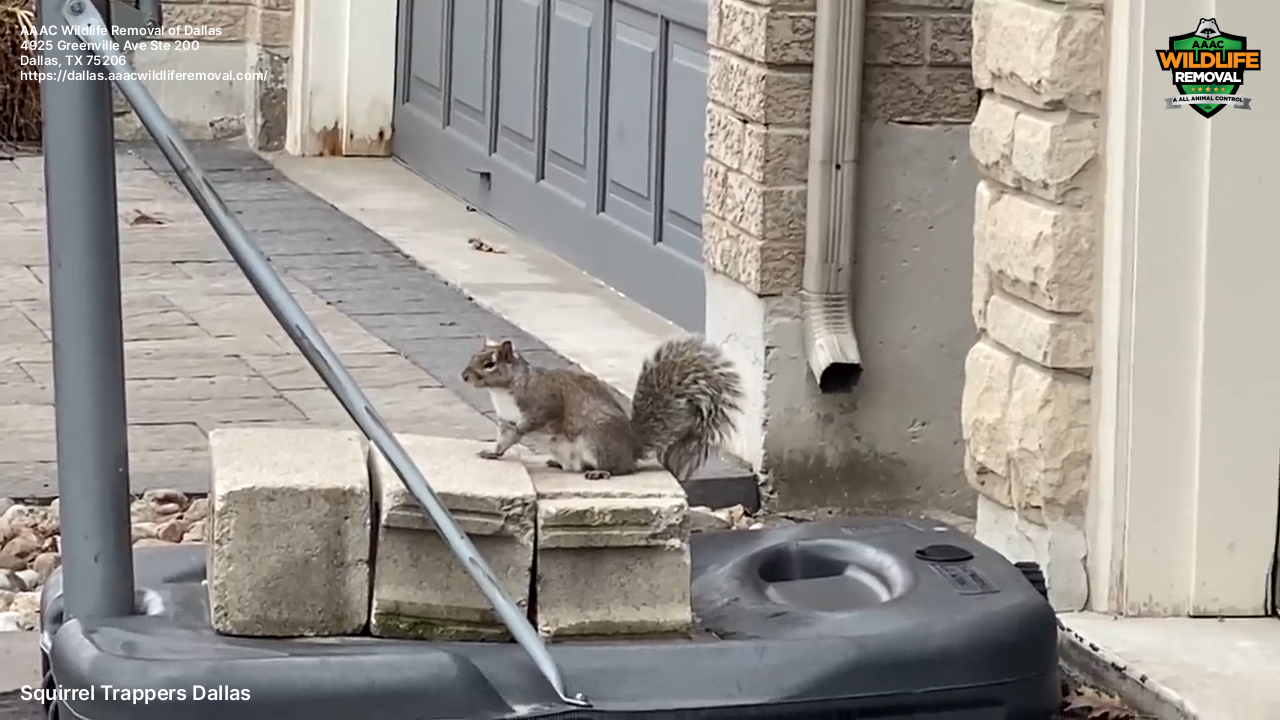
If you are hearing thumps in the night or seeing droppings where they do not belong, do not wait. Gather two or three proposals. Ask the hard questions. Favor exclusion over endless trapping, substance over slogans, and craftsmanship over speed. Whether you need raccoon removal, squirrel removal, or a careful, seasonal bat removal plan, the right partner will make your house boring again, which is exactly what you want.