Weather does more than set the mood for a day on the job. It changes animal metabolism, shifts movement patterns, shapes breeding windows, and redefines which structures look attractive as shelter. If you handle wildlife control for a living, or you are trying to solve a persistent problem on your property, understanding how temperature, precipitation, wind, and barometric pressure influence animal behavior is the difference between wasted time and a productive visit. Over the years, the busiest call weeks I have seen always lined up with distinct weather turns: a warm front in late February, a droughty August, the first hard frost, a tropical storm’s leading edge. Each brings its own cast of characters and a different playbook for nuisance wildlife management.
Temperature: The master dial for activity
Temperature sits at the center of wildlife behavior because it governs energy budgets. When it is cold, most mammals burn calories faster to stay warm, so they feed longer and roam farther. When it gets hot, animals often shift activity to cooler windows and seek thermal refuges inside buildings, culverts, and shaded landscaping.
Small mammals such as mice and rats respond quickly to nighttime lows. A drop from 50 degrees to the mid 30s pushes them into wall voids, garages, and crawlspaces where the temperature stays more stable. I have traced sudden kitchen activity to a minor cold snap that lasted only two nights. The rodents had not moved far, just two yards from a woodpile to the sill plate gap, but that short move made them your problem.
Raccoons and opossums tolerate cold better, although a sustained freeze changes their calculus. Raccoons will den up during arctic blasts, then binge feed during a midwinter thaw. If you are placing traps, this pattern matters. A baited cage trap that sat untouched through a five day freeze will fill on the first 36-hour warmup when night temps climb above 32. It is also the window when raccoon eviction fluid and one-way doors on roofline entry points get fast results, since denning moms shuffle kits to secondary sites when temperatures moderate.
For bats, temperature controls emergence. In most temperate regions, nightly activity ramps when dusk temperatures sit above the mid 50s. A run of cold nights forces bats to wait and conserve energy, and any attic with stable warmth becomes irresistible. In May and June, that warmth sets the stage for maternity season. A professional wildlife trapper who knows the local temperature patterns can avoid accidental pup entrapment by timing exclusion to pre-birth or post-volancy windows. The best wildlife exclusion services pause full bat sealing during those few critical weeks, focusing instead on prep work, monitoring, and minor habitat adjustments until young can fly.
Reptiles tell the same story in reverse. Snakes, for example, need warmth to digest. After cool rains or cold nights, they bask wherever they can, including on sunlit concrete and foundation ledges. I see more snake calls after three days of partly sunny weather following a lingering cold spell than I do in the middle of a heatwave. They are not invading so much as visiting thermal spots. Exclusion, not removal, is the long-term remedy: seal gaps at garage door seals, install fine-mesh barriers at vents, and reduce harborage like stacked stone with voids. That is classic wildlife pest control, tuned to temperature reality.
Rain, snow, and ground saturation: Water reshapes movement
Moisture moves scents, floods burrows, and forces animal decisions. When the ground is saturated after heavy rain, Norway rats often evacuate lower burrows into higher ground like sheds, raised decks, and crawlspaces. I once found a family of rats holed up inside a garden bench after a three-inch downpour and another half inch the next day. They were there for two nights, long enough to chew, scent mark, and attract more activity. The timing of that response was obvious: place traps and exclusion devices as water recedes, not during the deluge, when animals are frantically relocating and less likely to interact with equipment.
Skunks dislike standing water and will select higher, drier den sites under stoops or porch slabs after intense rain. Snow cover flips the script. When snow piles up to eight inches or more, skunks trench along fence lines where drifted areas give them slightly easier travel. If you track prints, note how they hug structure. Place one-way doors and cameras near those lanes, and do not be surprised if a seemingly empty vent becomes occupied during a long snow event.
Squirrels handle light rain, though prolonged storms keep them closer to nests. That makes attic entries more likely if a soffit gap exists. I have patched pristine attics in September only to get frantic calls three days later when a tropical system pushes in. The squirrels were always there, investigating, but the bad weather made the attic a preferred spot. In practical terms, prioritize pre-storm inspections for vulnerable homes with mature trees overhanging the roof. Good wildlife control anticipates, it does not just respond.
For insects that serve as prey, moisture can trigger booms. Earthworms surge to the surface during heavy rain, followed by moles chasing the buffet. A yard that was quiet last week can erupt in tunnels today. Mole trapping success rises sharply 24 to 72 hours after saturating rains, when fresh runs stand out and travel routes are active. In drought, the inverse happens: moles concentrate in irrigated zones. If you provide pest wildlife removal for moles, it pays to ask about irrigation schedules and rainfall totals, then set on the wettest, freshest sign.
Wind and barometric pressure: Subtle cues with big effects
Barometric pressure and wind are the softer levers. They matter because animals feel them first and adjust well before we notice. Falling pressure ahead of a storm often sparks feeding bursts. I have had trap lines that were slow for a week suddenly catch three raccoons and two opossums the afternoon before a front. They were filling the tank, just as anglers see fish feed ahead of weather.
High winds alter flight and scent. With bats, gusty nights reduce aerial foraging and raise dependence on roosts. With ground mammals, wind knocks down scent trails, making bait placement more critical. A peanut butter lure that worked in calm conditions may not carry the same scent plume under 20 mile per hour gusts. As a result, tighter sets and plain food baits that do not dry out are smart in windy spells. Wind also changes approach paths. Animals prefer leeward sides of structures for travel. If your traps sit on the windward corner, move them to the downwind eaves and you will see the difference.
Low pressure can coincide with lower oxygen levels in burrows and cavities and that encourages brief relocation. It is not dramatic, but over dozens of service calls you will notice a pattern of increased attic exploration just before a hard rain and a lull during the heaviest downpour. Smart timing means sealing primary entry points during lulls and confirming with a thermal or acoustic check before finalizing a one-way device.
Seasonal arcs: What each part of the year demands
Spring is noisy and opportunistic. Breeding starts for raccoons and squirrels, and migratory birds test every open vent for nesting. Temperatures rise, insects emerge, and food becomes abundant. Activity ramps, but so does dispersal. Trapping works, but exclusion shines. Seal roof returns, cap chimneys, install hardware cloth on gable vents, and verify soffit integrity. In my records, spring exclusions have the highest long-term success rate when combined with trimming branches that overhang roofs by at least six feet. Weather is variable, so pick dry, mild days for exterior sealing to ensure adhesives and caulk cure correctly.
Summer pushes animals toward water and shade. Heat stress changes travel times. Nocturnal species often start earlier in the evening and extend into dawn. Attics become ovens, and that can push squirrels that previously nested in soffits to use wall voids instead. If a client complains of scratching at 4 a.m. in July, expect vertical chases inside walls, not across attic joists. For bats, summer is maternity. Wildlife removal services should follow state guidelines and natural timing, using observation to verify pups can fly before full exclusion. When temperatures linger above 80 at dusk, you can expect robust bat flights. That is the moment to perform exit counts and spot the exact routes.
Fall is preparation. Rodents stage food, and raccoons fatten for winter. First frosts are the switch. Calls spike within 48 hours after the first real cold snap, especially for mouse and rat intrusions. Squirrels test every weak eave line and uncapped flue. This is the best window for whole-home wildlife exclusion services: door sweeps, mesh on vents, chimney caps, ridge vent protection, and repairs to fascia. Weather is typically dry enough for sealants and cool enough for roof work to be safe without heat stress. If you manage properties, schedule your preventative work in September and October, not after the first snow when ladders and sealants become awkward.
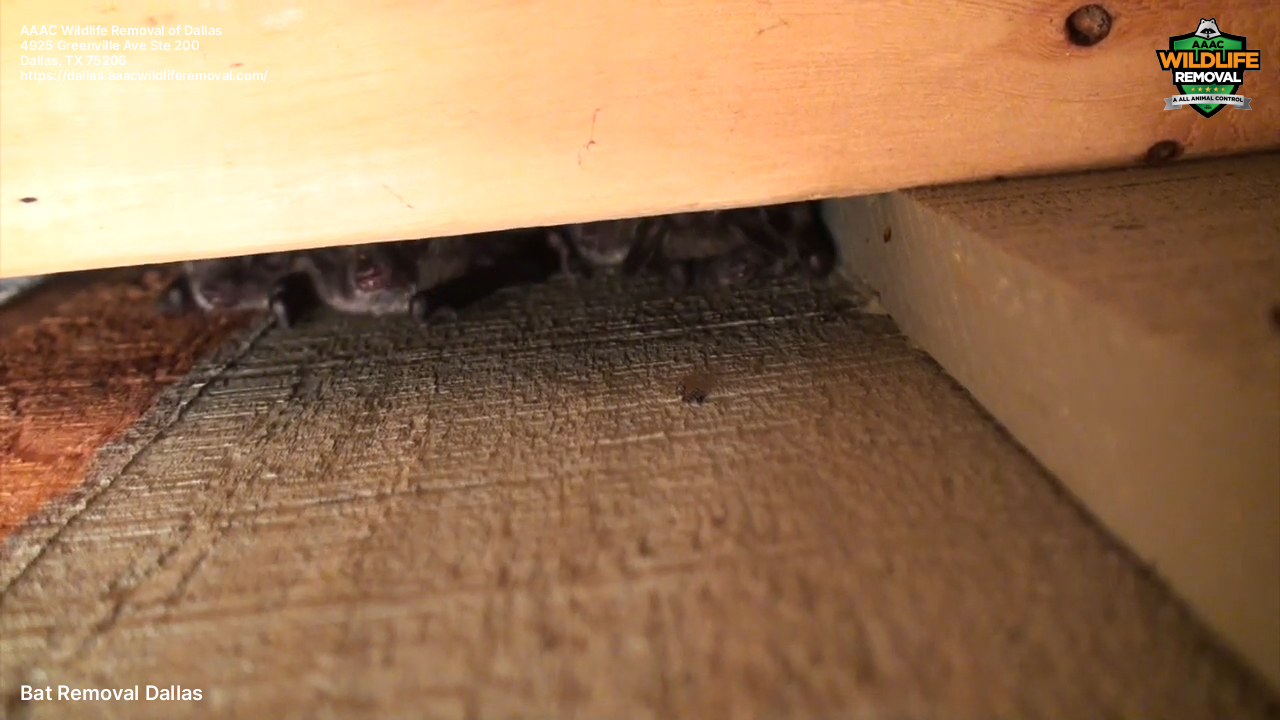
Winter drives concentration. Food is scarce and shelter matters most. Attics with even minor heat loss become magnets. I often tell clients: that warm air leaking through your recessed lights is advertising vacancy. Cold, clear nights with little wind often produce strong trap response as animals range for calories. Snow gives you a free tracking map. Follow prints to the exact entry and avoid guesswork. On severe cold snaps, some species, like raccoons, reduce movement for days. Do not pull quiet sets too soon. Many jobs turn on patience, keeping equipment in place through the weather cycle while you monitor with cameras or tracking patches.
Precipitation and structure: How buildings change with weather
Buildings expand and contract with humidity and temperature. Wood swells in prolonged wet weather, closing some gaps, then shrinks as it dries, opening others. Vinyl soffit panels can pop loose in wind and freeze-thaw cycles, then sit crooked just enough for a squirrel to pry. I have returned to homes five months after a summer exclusion to find a new opening, not because the original work failed, but because winter heave opened a different seam between fascia and brick. If your wildlife control program treats the building envelope as static, you will miss these seasonal shifts.
Roofs leak from ice dams and drive animals to follow the moisture path. Wet insulation fosters insects that in turn attract predators. Dryer and bath vents collect condensation in cold weather, and a loose backdraft damper is an easy bird nest site in March. Each issue has a weather signature. A careful technician reads it like a mechanic listens to an engine. When a client says scratching started right after last week’s storm, consider that the soffit under the gutter likely took on water, sagged, and created a lip.
Bait choice, timing, and set strategy by forecast
Matching bait to weather sounds fussy until you see the difference on soggy days or in arid heat. In rain, pasty or dry baits wash out, losing appeal. Wet-resistant baits, whole foods with peel or shell, and enclosed bait cups hold up. In heat, fats can go rancid fast, and some sweet baits ferment. I keep a small cooler with rotate-through baits in summer so I can refresh sets every 24 hours. In cold snaps, odor diffusion slows, so stronger scent lures make sense, but animals also crave calories. High-fat baits such as nut butters and fish-based options outperform mild grain baits when nights run below freezing.
Trap placement follows microclimates. On windy days, position sets on leeward sides and along hedges that act as windbreaks. After snow, clear a path and set along the trail, not across it. In heat, shade the trap, both for animal welfare and to maintain bait quality. In pro pest control, trap checks are often legally mandated within 24 hours, yet in summer I prefer twice-daily checks for heat-sensitive species. That is not just ethics, it maintains set effectiveness because a distressed non-target animal inside a hot trap can deter target entries.
Reading sign differently after different weather
Sign looks different after rain, frost, or heat. Mud amplifies prints and smudges, but washes away dust tracks. Frost highlights the heat leak points where animals linger, melting light spots on a roof surface. Dry spells make dust ladders on HVAC ducts in attics. I once misread a faint smear on galvanized ducting as old when it was fresh, created hours earlier as a raccoon with wet feet climbed down from a roof in the morning. The galvanization preserved the print perfectly because humidity was low and there was no dust to catch it. Weather context adds or subtracts confidence when you interpret sign, and a misread can send you sealing the wrong hole.
Odors shift too. In high humidity, urine smells linger and travel farther. That can help you locate a den, but it also confuses tracking dogs and even your own nose if airflow is turbulent. On dry, windy days, I rely more on visual and mechanical signs: hair caught on flashing edges, fresh gnawing on fascia, clean rub marks on siding that were not there last week. In rain, I look https://cesarbizy083.yousher.com/rodent-wildlife-pest-control-long-term-prevention-methods for drip edges where oily residues from animal traffic leave rainbow sheens in puddles. These are not magic tricks, just small observations that weather makes possible.
Human behavior changes with weather, and animals respond
Garbage practices decline during storms and holidays. Lids sit open in wind, and bags get placed unsecured beside bins when it is pouring. Raccoons and rats read that buffet sign instantly. The spike in calls after a windy trash night is predictable. Educating clients on storm-day waste handling is a low-cost, high-return step in wildlife pest control. Secure the lid with a latch, use heavy bins, and avoid overflow. The same is true for pet feeding during bad weather. Dishes left outside because it was raining at dinner time send a clear invitation.
Landscaping maintenance follows the weather too. In wet springs, grass grows fast and hides burrows. In drought, irrigation patterns create islands of life in an otherwise quiet yard, drawing voles, moles, and rabbits. If you offer nuisance wildlife management as part of broader property care, build these weather-linked behaviors into your advice. A client who reduces sprinkler frequency during a heatwave may unintentionally push gophers into the only irrigated bed near the foundation.
Safety and ethics: Weather raises the stakes
Weather influences more than animal movement. It affects ladder safety, roof traction, tool performance, and the stress on captured animals. I have turned down roof exclusions when gusts topped 25 miles per hour and rescheduled for the next morning. That is not caution, it is policy. Wet shingles with algae bloom are a slip trap. In winter, metal ladders pull heat from your hands and sap grip strength, making missteps more likely.
Animal welfare hinges on weather-aware decisions. In extreme heat, shaded set placement, water availability, and shortened check intervals protect captured animals and minimize non-target stress. In deep cold, contact time with metal can injure paws and noses. Using coated trap floors, insulating covers, and windbreak positioning is part of responsible wildlife removal services. When you must install one-way doors in winter, confirm that alternative shelters are available. A mother raccoon will move kits during a thaw, but forcing that move during a blizzard can be lethal. Good work respects the animal, the law, and the weather.
When to trap, when to exclude, and when to wait
Patience is a legitimate tool. Some weather windows just are not right for certain interventions. Full bat exclusion during active downpours risks forced re-entry through living spaces as bats seek dry refuges. Bird netting on a windy day invites poor anchor points and future failure. Squirrel trapping during peak mast fall, when acorns are everywhere, often underperforms unless you locate and bait directly on travel routes. Waiting 48 hours for a cold front to pass, then setting when natural food is frozen or soggy boosts success.
Exclusion nearly always beats prolonged trapping if the structure allows it and if laws and seasons permit. The trick is matching the method to the weather. Sealants cure poorly in cold and wet conditions, expanding foams misbehave at temperature extremes, and adhesives can fail on dew-wet substrates. Mechanical fastening with screws and proper flashing becomes even more important. A thorough wildlife exclusion plan accounts for forecast and material limits, not just animal habits.
Practical checkpoints for weather-smart wildlife control
- Watch 72-hour forecasts and the last 7-day weather history before each site visit. Plan sets for the feeding surge before a front, and plan exclusion on dry, mild days so materials cure and animals are predictable. Adjust bait and set design for temperature and moisture. Shade in heat, cover from rain, stronger lures in cold, enclosed baits in wet weather. Track seasonal biology by region. Protect bats during maternity windows, expect squirrel den moves around tropical storms, and anticipate rodent intrusions with the first hard frosts. Read sign with weather context. Use snow and mud for tracking, look for heat melt patterns on frost, and confirm new gnawing or rubs after storms. Build safety and welfare into scheduling. Avoid roof work in high winds, insulate traps in extreme temperatures, and shorten check intervals during weather stress.
Case snapshots from the field
A late February warm spell after two weeks of freeze led to an explosion of raccoon calls along a river corridor. The pattern was obvious when we layered weather on the map: night temperatures jumped from 12 to 38 degrees with overcast skies, then light drizzle. We installed one-way doors at roof returns on six properties in two days and saw complete eviction within 72 hours, no trapping needed. The key was timing with the thaw and watching for den relocation behavior.
In August during a regional drought, mole activity disappeared from most lawns, but a handful of irrigated properties showed intense new runs every morning. Rather than blanket trapping, we targeted only irrigated edges, aligning sets on fresh runs within 12 hours of sprinkler cycles. Catch rates doubled compared to spring, and we reduced total set time per yard by half.
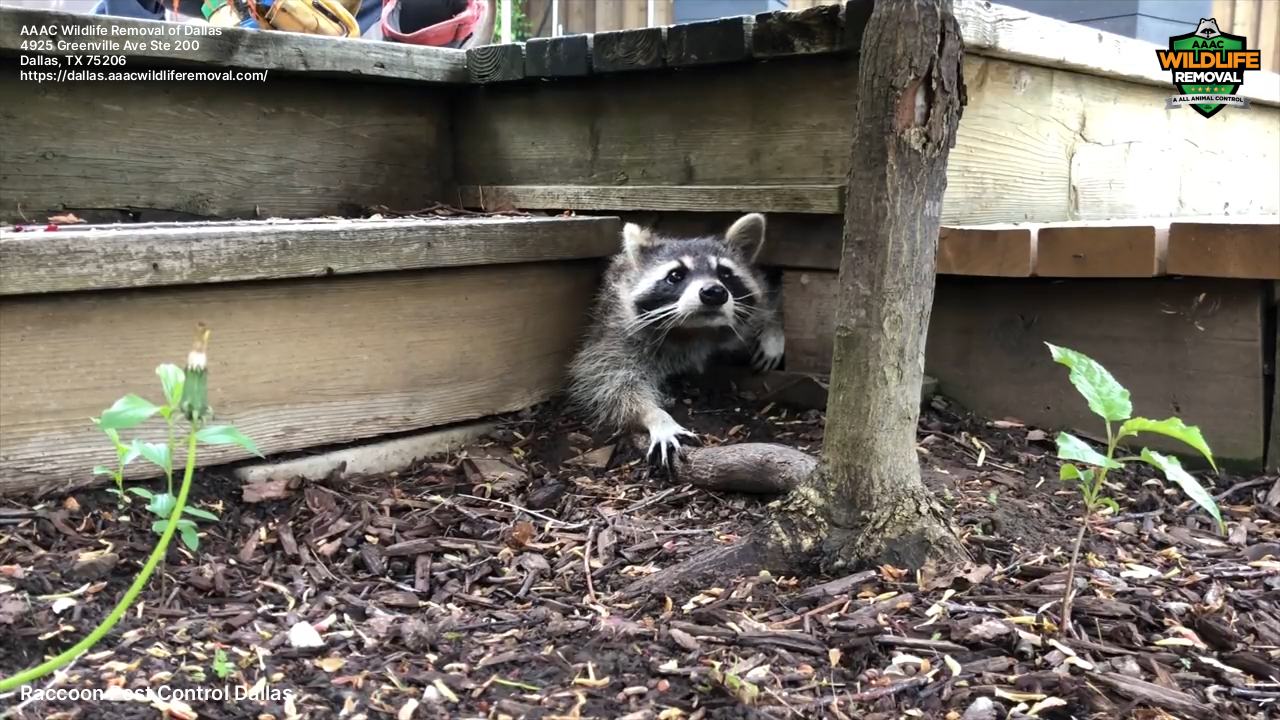
A March windstorm kicked open three gable vents in a neighborhood of older homes. Starlings moved in immediately, and squirrels tested the edges. We scheduled exclusion for the first calm, dry day, used rigid vent covers with mesh behind, and added soffit reinforcement along the windward sides. We also set temporary deterrents for two days while wind persisted. That two-step approach prevented reinvasion while giving us safe working conditions.
Integrating weather into nuisance wildlife management plans
Weather-aware programs are systematic. Build a log that records temperature ranges, precipitation, wind, moon phase if you like, and barometer trends alongside service outcomes. Over a season, your own data will tell you which cues matter most in your territory. Use it to inform scheduling, staffing, and inventory. Stock more enclosed bait holders ahead of rainy stretches, maintain extra trap covers for heat waves, and keep cold-tolerant sealants on hand for shoulder-season work.
For property owners, partnering with a professional who treats weather as a core variable pays dividends. A good wildlife trapper will not only remove the immediate problem but also plan wildlife exclusion services at the right time, with materials and methods suited to the forecast. They will give practical advice that aligns with weather patterns: move firewood away from the house before the fall rains, secure lids before windy trash days, trim branches in late winter when nests are dormant and work is safer.
Final thought: Animals follow the weather, and so should we
Wildlife control succeeds when we work with nature’s rhythms, not against them. Temperature sets the pace, water shapes the routes, wind and pressure tip the timing. Read those signals, choose methods that fit the moment, and you solve problems faster with less stress on animals and people. In the end, effective wildlife pest control is part science, part craft, and part forecast. When the forecast shifts, so should the plan.