Most homeowners first meet wildlife at two in the morning. The noise is small but steady, a shuffle run across the attic or a gnaw in the wall that refuses to stop. By daylight the evidence shows up in droppings, torn insulation, a musky odor you can’t air out. A call to a wildlife trapper often quiets the house for a week or two. Then the noise returns from a new direction. That pattern is the hallmark of a removal-only approach. If you want an infestation to end and stay ended, the work must center on exclusion.
As someone who has crawled through more attics than I care to count, I can say this plainly: wildlife removal services solve a symptom. Wildlife exclusion services solve the problem. The difference is structural and strategic, and it dictates whether you pay once or keep paying in cycles.
What exclusion really means
Exclusion is the permanent separation of your living space from the habitat and food sources that attract wildlife. In practice that means sealing the building envelope against target species, using materials and methods suited to their size, strength, and behavior. It is not just caulk and hope. It is metal mesh sized to a squirrel’s incisors, a drip edge that denies bats the eighth of an inch they need to wedge in, chimney crowns that frustrate raccoons, and screens that outlast a woodpecker’s attention span.
Nuisance wildlife management has long had three levers: remove the animals, reduce the attractants, and restrict access. Many businesses sell the first lever as pest wildlife removal, and it certainly has a place. But the animals outside your property do not disappear just because you moved one. If your architecture offers warmth, darkness, and food, wildlife control must deliver access restriction or you will repeat the cycle.
The biology that drives repeat infestations
If you understand why animals return, you know how to make them stop. Three patterns matter most on residential properties.
- Homing behavior and natal sites. Raccoons, squirrels, and bats remember den sites, especially those used for rearing young. A female raccoon that raised kits in your chimney cap will circle back next season if the path is open. Little brown bats return to maternity colonies with uncanny fidelity, which is why one small gap near a soffit can serve as an annual on-ramp. Seasonal pressure and population dynamics. By late winter, squirrels and rats look for warm cavities to birth litters. In summer, juvenile males disperse, pushing into new territories. Each of those windows increases the odds that any unprotected gap gets tested. Sensory targeting. Rodents live by smell and edge following. If urine, droppings, or grease marks remain at a former entry, expect an exploratory gnaw within a few weeks. Sound also travels well through hollow voids, so a successful path gets retried.
If you remove a colony in February and leave a half-inch plywood patch over a fascia chew, you’ve set the stage for a May comeback. Wildlife exclusion services interrupt that biology with barriers and timing.
Assessment that sees like an animal
Good exclusion begins at ground level and ends at the ridge, usually with a ladder in between. You do not guess, you verify.
I start by asking the simple, unglamorous questions: Where did you hear the noise, and when? Nighttime movement in an attic suggests raccoons or flying squirrels. Afternoon chewing points to gray squirrels. Skittering in the walls at all hours with a sharp ammonia smell often signals rats. Then I look at the exterior. A chewed corner on a garage door seal, rubbed dirt on a downspout bend, a gap between fascia and roof decking large enough to fit a thumb, all of these tell a story. On a brick home, I’ll scan every mortar joint around utility penetrations. On a stucco home, I’ll probe the weep screed.
Inside, insulation tells the truth. Trails in blown fiberglass sketch travel routes from soffit to bath fan chase. Dark staining around a pipe boot shows heat loss that attracts bats. Entry points often hide under a layer of insulation near the eaves, so I use a mirror and headlamp to see into the last few inches. If there is a chimney, I check the crown and flue for gaps a raccoon paw can pry.
You need to map three categories: active entries, vulnerable opportunities, and structural constraints. Active entries require immediate one-way exclusion or trapping, vulnerable points call for preventive sealing, and constraints like low-slope roofs or historical facades dictate which materials will blend and last.
Timing is not negotiable when it comes to young
Many repeat infestations stem from poor timing. Evict a mother before the kits or pups are mobile and she will tear open another section of your house to get back inside. The fix involves maternity-aware scheduling.
With raccoons and squirrels, there are two windows per year when young are present, generally late winter to early spring and again in late summer. For bats, maternity colonies form in late spring and disperse in late summer or early fall. Wildlife exclusion services plan around these cycles. If we hear squeaks or locate a nest, we stage the work: locate all young, remove them by hand if legal and appropriate, or delay full exclusion until they are mobile. Then we install one-way devices that let adults exit but not re-enter, and we seal only once we are certain the structure is clear. This prevents the desperate tearing that undoes half measures.
Materials that match the species
A seal is only as good as the animal trying to undo it. Hardware cloth sounds generic, but the gauge, mesh size, and treatment matter. If I am blocking a squirrel access, I use 16-gauge galvanized steel mesh with half-inch openings, secured with corrosion-resistant screws and wide-crown washers. For rats and mice, quarter-inch mesh is safer because a young rat can flatten to slip through half-inch gaps. For bats, fabric and foam are problematic if not supported by a rigid edge; a UV-stable sealant paired with backer rod under a metal lip creates a clean finish that denies the six to nine millimeters they can exploit.
Foam has a role in wildlife pest control, but only as an interior air seal behind metal, not as a standalone barrier. Animals bite anything that smells like a path, and expanding foam smells like nothing found in nature, which makes it a curiosity and a target. Steel wool rusts and stains, so I only use stainless or a copper mesh for stuffing irregular voids under a plate. Concrete repairs around slab gaps and stoops need a bonding agent and a finish that discourages gnawing, often a metal kick plate along the bottom inch where a mouse might test.
Chimney caps belong on every open flue, not just those with fireplaces in use. A cap with a heavy-gauge screen prevents birds and raccoons from taking over. Ridge vents need end plugs and a metal-armor design rather than thin plastic if you live in squirrel country. Soffit screens belong behind, not in front of, decorative vinyl or aluminum panels. If you put the screen on the outside, a raccoon will peel it like a banana.
The methodical sequence that keeps animals out
The difference between a one-time fix and a revolving door often comes down to sequencing. I see too many jobs where someone sealed the obvious hole, trapped two animals, and called it done. That approach creates pressure on the remaining weak spots. A better sequence puts the house in a controlled state before you start closing doors.
Here is the professional pattern I train new technicians to follow:
- Stabilize the interior. If animals are in living spaces, set up containment, protect HVAC intakes, and install temporary barriers to keep wildlife in the attic or crawlspace. Identify and install primary one-way exits at the active entries. Provide a preferred path out that you can monitor. Pre-seal the rest of the structure. Close every non-active gap that meets the target species’ threshold, working from eaves down to foundations, and around utilities. Close the one-way exits after verified clearance. Confirm with visual, thermal, or acoustic checks, then remove the devices and permanently seal the primary entries. Sanitize, decontaminate, and restore. Treat odor sources, replace soiled insulation, and correct the moisture or heat loss conditions that attracted wildlife.
Each step feeds the next. Pre-sealing removes opportunities so that when you close the main exit, an animal cannot simply open a new door. Sanitation resets the scent map that invites cousins and competitors.
Scent, sound, and the invisible traces that invite a comeback
Even a perfect physical seal can fail if scent tells the neighborhood you are still open. Rodent urine carries pheromones that flag safe harbor. Raccoon latrines, often on flat roofs or attics, broadcast the same message. Skunks and bats leave oils and guano that persist in wood and insulation.
After removal, wildlife removal services should address these markers. Enzyme-based cleaners break down the uric acid crystals rodents leave behind. Fogging a contaminated attic with an appropriate sanitizer reaches the cracks and prevents the odor from migrating into living areas. For raccoon latrines, I physically remove the substrate and apply a virucidal disinfectant that targets roundworm eggs, then dispose of the waste according to local rules. Bat guano often requires negative air containment and protective equipment, not because it is always dangerous, but because it can carry histoplasma spores in certain regions. Skipping this step leads to the classic complaint: the noise is gone but the smell remains, and a new animal starts testing the house within a month.
Sound-proofing is rarely necessary, but sealing voids that act like conduits reduces the echo chamber effect. That matters because wildlife often chooses paths where sound returns clearly. A sealed chase does not advertise itself the way a hollow one does.
Architectural trouble spots I see again and again
Every region has its peculiarities, but a few features account for most of the entries on the homes I service.
On newer construction with vinyl soffit panels, the wood substrate is sometimes cut too short at the fascia. Squirrels exploit the gap where two boards meet behind the decorative panel. The fix is not to slap a screen over the outside. It is to remove the panel, insert a rigid metal barrier that ties into the rafters, and reattach the panel so the aesthetics remain intact. I have seen that repair last ten years without a single revisit.
On older brick homes, the flashing where the roof meets the wall can pull away. Bats find that opening first, then wasps. The solution is a continuous metal reglet flashing chased into the mortar joint, sealed with a UV-stable compound, and meshed behind any vents. Simply troweling mortar over a loose edge cracks in a few seasons.
Garage door side seals often get gnawed by rats. The easiest path is often to the pantry through the attached garage. A good repair includes replacing the chewed seals, adding rodent-proof brush seals with stainless carriers, and installing a kick plate at the bottom corner. Pair that with a revision of birdseed and pet food storage inside the garage, and you’ve cut the on-ramps by half.
Roof returns at gable ends create corners that raccoons love, especially if the roofing nails are short. I have watched a female raccoon peel back three linear feet of shingle with nothing but her hands. A continuous metal edge, screwed not nailed, backed with mesh, turns that same corner into a non-starter.
Vents deserve their own mention. Dryer vents, bath fans, and kitchen hood terminations come from the factory with flimsy flappers. Birds and rodents push through them easily. A proper wildlife pest control retrofit uses a vent guard with a removable face for maintenance, made of powder-coated steel, sized so it does not restrict airflow. If you put a permanent cage on a dryer vent, you will create a lint trap and a fire risk. The removable option solves both problems.
When trapping is appropriate, and when it makes things worse
A wildlife trapper earns his keep when you have a smart, stubborn adult that refuses to use a one-way door, or when local laws demand removal of a particular species. Trapping also helps when a sick animal poses a risk. But too much reliance on traps signals a larger failure.
I once visited a home where the owner had paid for nine raccoon removals in two years. Each time, the company set cages on the roof and took away the intruder. They never touched the warped attic vent covers the raccoons kept tearing. We replaced every vent with heavy-gauge units, added a continuous drip edge at the roofline, and sealed a series of small gaps at the soffits. They have not needed trapping since.
Trapping without exclusion can also create orphaning. Remove a mother, and the kits you did not know about will die in the insulation, leading to odor, insects, and the kind of cleanup that doubles https://rentry.co/ict8tygc your bill. An exclusion-first plan reduces the need for cages and the collateral damage that follows.
The legal and ethical framework that guides good practice
Wildlife control is regulated, and the rules vary by state and province. Bats are protected in many jurisdictions, especially during maternity season. Some states require lethal dispatch of certain rodent species if trapped; others require release on site or prohibit relocation more than a mile from capture. Your provider should explain the local landscape and how their methods comply. If they cannot, find someone else.
Ethically, exclusion is the least harmful route because it removes the incentive without unnecessary killing. It also reduces disease exposure. Handling wildlife carries risks, from raccoon roundworm to skunk rabies vectors. A company that prioritizes exclusion spends less time in direct contact and more time on the building envelope, which is safer for everyone.
What a robust warranty looks like
A warranty in wildlife control is only as strong as the exclusions in the fine print. If a company promises a one-year guarantee but excludes “new entries,” you do not have a warranty. Ask for clarity: is the entire structure covered against the target species? If a new hole appears, will they return and seal it under warranty?
In my operation, a bat exclusion comes with a multi-year guarantee because once you have sealed every gap larger than a pencil and the colony has dispersed, there is nothing left for them to exploit unless the building shifts or a storm creates new openings. Squirrel guarantees are shorter not because the work is weaker, but because squirrels are relentless chewers and storms move fascia boards. Good providers explain these differences and offer maintenance plans that include seasonal inspections at a reasonable price.
The economics of doing it right once
Exclusion looks expensive when you compare it to a single trap-and-remove visit. But the comparison is faulty. Add up three or four removals, two rounds of attic cleanup, and the energy losses from chewed insulation, and the exclusion job was the bargain.
I worked a 1960s ranch where gray squirrels had run the soffits like a subway line. The homeowners had spent a few hundred dollars each fall for five years on trapping. They had also replaced insulation twice in the worst sections and chased odors that never quite went away. Our exclusion proposal looked high at first, a few thousand dollars for full eave and ridge armor, seven vent upgrades, chimney cap, and a thorough seal. We also included a minor roof repair the squirrels had worsened. Three years later, the house is quiet. Their winter heating bill dropped by roughly 10 percent because we sealed thermal gaps in the process. They have spent nothing on wildlife since.
Where pest control and wildlife control overlap, and where they do not
Traditional pest control focuses on insects and commensal rodents like house mice and Norway rats, often using chemical treatments and bait programs. Wildlife control addresses larger animals and protected species with physical methods, behavioral understanding, and legal compliance. There is overlap with rats and mice, where both trades operate. The difference is emphasis. A bait-only plan for rats may suppress the population, but without structural fixes, new rats move in. A wildlife exclusion plan for rats pairs sanitation, food storage changes, and structural denial, sometimes with baiting as a short-term measure.
If you already have a pest control contract, loop your provider into the exclusion plan. I often coordinate schedules so that bait stations are removed ahead of a bat exclusion to avoid incidental attraction, or so that trapping does not conflict with one-way devices. When done well, nuisance wildlife management integrates both disciplines without the left hand undoing the right.
DIY realities and where to draw the line
Some exclusion tasks are within reach for a capable homeowner. Replacing a torn window screen, installing a chimney cap on a low, accessible roof, or sealing a half-inch gap around a foundation pipe with copper mesh and mortar can be safe and effective. The line gets bright when ladders climb above the eaves, when you suspect young are present, or when the species is protected or high-risk.
Attic work is hotter and dustier than most people expect. In summer, attic temperatures can exceed 120 degrees, and the air quality is poor. Protective equipment is not optional, and falls happen quickly when you step between joists. If you decide to attempt minor sealing, work from stable platforms, wear a respirator rated for particulates, and avoid contact with droppings until they have been dampened and safely removed. For anything involving bats, skunks, raccoons, or roofline work, hire a professional with the training and insurance to do it safely.
What to expect from a competent provider
A good provider will not rush the inspection or sell a one-size-fits-all package. They will photograph or video every entry and vulnerability. They will explain materials and methods in plain terms, reference local laws that affect timing, and give you options when aesthetics and budget intersect.
Expect a proposal that addresses the whole structure, not just the obvious holes. Expect a clear sequence with dates that account for species timing. Expect access to a project manager who can answer questions during the work, and a closeout with documentation, including before and after photos. Expect a warranty with defined coverage and a path to service if something fails.
If the estimate is just a trap price with a vague “seal holes as found,” you are paying for the cycle, not the solution.
The maintenance that keeps your investment working
Exclusion is not a “set and forget” for the next thirty years. Buildings move, wood swells and shrinks, storms test every edge. A short, seasonal walkaround catches a crack before it becomes a door.
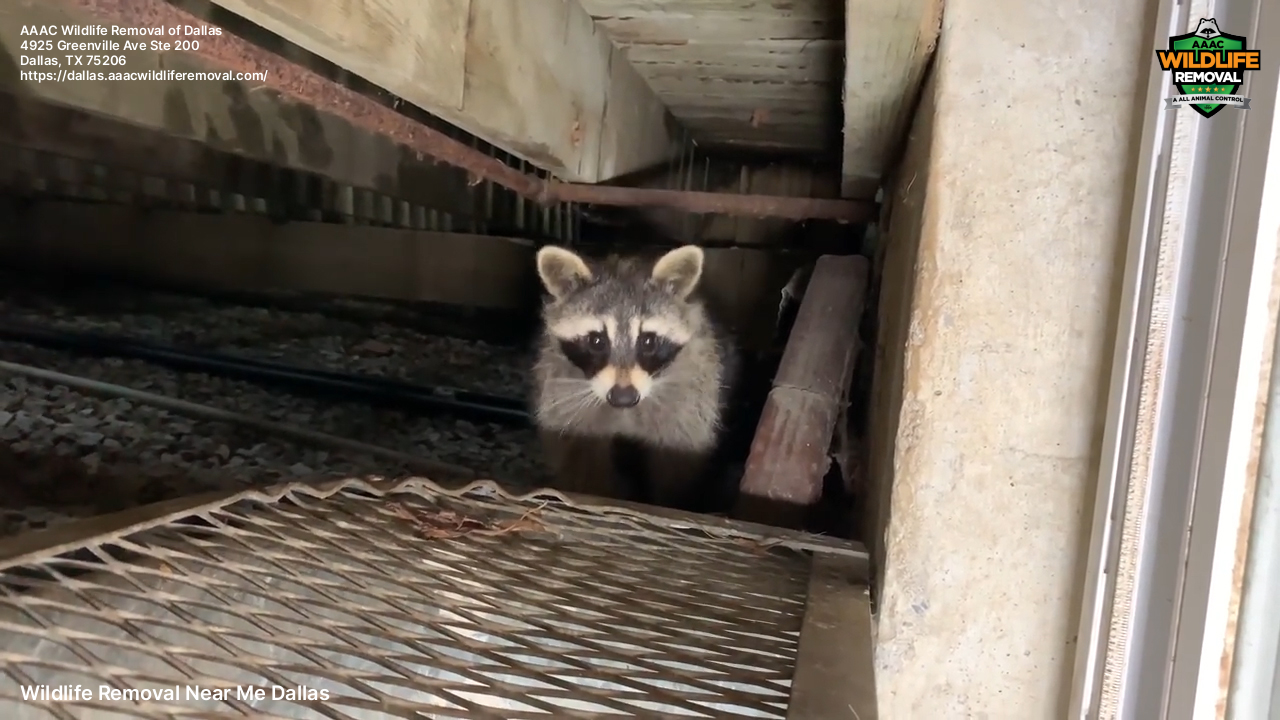
A simple, twice-a-year checklist helps:
- Inspect roof edges, vents, and chimney caps for movement or damage after heavy storms. Touch each component, do not just look from the ground. Check garage door seals and threshold sweeps for gnaw marks, daylight, or gaps larger than a pencil. Look along soffits and fascia for staining, lifted panels, or chew marks, especially at corners and where downspouts meet the eave. Confirm that dryer and bath fan vent guards are clear of lint and debris, and that removable covers are seated and latched. Store birdseed, pet food, and grill supplies in sealed containers, and keep vegetation trimmed back from the structure by at least a foot.
Those five minutes twice a year save you hundreds later. They also help your provider honor a warranty, because maintenance shows you care about the system you paid to install.
Case snapshots that show what works
A suburban two-story built in 2008 had persistent bat activity every summer. The builder had left a quarter-inch gap along 60 feet of roof-wall intersection. Two previous companies installed foam and fabric, then sold guano cleanups each fall. We removed the ineffective materials, installed a continuous metal lip with backer rod and sealant, placed two bat valves at the heaviest traffic points, and pre-sealed secondary gaps around dormers. Within seven days of warm nights, counts dropped to zero. We returned after two weeks, closed the valves, and finished the seam. That home has remained quiet for four seasons, backed by a five-year warranty.
A farmhouse with a stone foundation suffered recurring rat incursions every harvest season. The owners used bait for years, which kept the numbers down but never stopped the gnawing. We mapped entry points where the stone met sill plates and where utility lines crossed into a dirt-floor basement. After installing quarter-inch stainless mesh along the perimeter, adding kick plates at two basement doors, re-routing a downspout that was causing washout and gaps, and coordinating sanitation and storage changes in the basement, activity dropped to near zero. We left a monitoring program with snap traps in secure stations to detect any new pressure. One year later, only two captures, both during a neighbor’s barn demolition, and no interior signs.
A row home with persistent squirrel chews on aluminum fascia caps had been patched every spring. The hidden cause was a heat leak from a bathroom fan duct that lacked insulation. The warm air kept the eave inviting in deep winter. We insulated and sealed the duct, replaced the fascia cap with a steel-backed version, armored the nearby soffit with half-inch mesh behind the vented panel, and trimmed the maple branches that scraped the roofline. No chewing since, and the upstairs bathroom no longer sweats in January.
The bottom line
Wildlife comes back because houses invite them back. The invitation takes the form of gaps, odors, heat leaks, and easy climbs. Wildlife exclusion services withdraw that invitation. They do it by reading the building like an animal, respecting the biology of young and cycles, and installing durable, species-appropriate barriers in a methodical sequence. Good nuisance wildlife management blends removal, sanitation, and sealing, but the anchor is always exclusion.
If you are tired of paying for the same problem, ask different questions. Ask how the provider will keep animals out, not just how they will get them out. Ask what materials they will use, what species behaviors they are designing against, when they plan to work relative to breeding seasons, and how they will verify the house is clear before final sealing. Ask what is covered when a storm rips a corner loose or a determined squirrel tests a new angle.
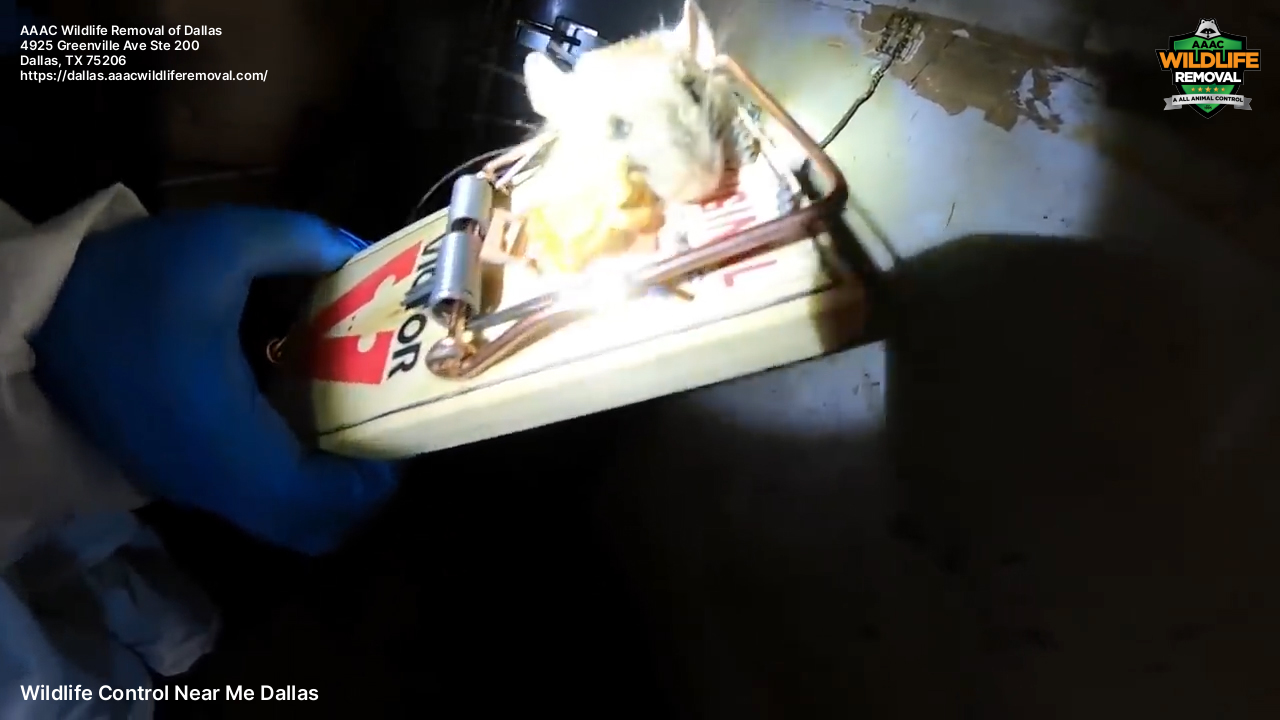
Done well, wildlife pest control feels anticlimactic after the first week. The scratches stop, the attic goes quiet, and it stays that way through the season when you used to hold your breath. That quiet is the sound of exclusion doing its job. It is the sound of a house that no longer offers a second chance.