If a skitter of claws in the attic or a streak of guano on the siding has you uneasy, you’re not alone. Wildlife moves through our neighborhoods with the seasons, following food, water, and safe den sites. Homes offer all three. A professional pest wildlife trapper knows the telltale signs and the patterns under the noise. An inspection is where that knowledge meets your property, turning hunches into a plan. Here’s what really happens during a professional wildlife inspection, why certain steps matter, and how to recognize a wildlife removal service that treats your home like a system, not a single trap placement.
Why the first conversation shapes the whole job
Before anyone pops the attic hatch, the best inspectors ask about patterns. A short interview guides the search. Time of day for noises suggests species. Nighttime thumps followed by gutter rattles often points to raccoons. Quick, light scratching near dawn and sunset lines up with squirrels. High-pitched chittering around midnight could be bats, and a musty smell over kitchen ceilings might be a nest of roof rats. If droppings appear on pool decks or patios at dawn, skunks could be patrolling the fence line.
A veteran wildlife trapper listens for more than symptoms. He or she asks the age of the home, recent roof work, storm damage, new landscaping, bird feeders, or attic storage changes. In Dallas and similar warm markets, storms open soffits and ridge vents, while summer drought pushes animals to shady, irrigated yards. A practiced ear picks up details that narrow the inspection from hours to minutes. The information you provide ends up saving time and reducing disruption.
How a professional approaches your property
Most wildlife pest control service teams follow an outside-in flow, because animals gain access from the exterior and then spread inward. Think of the inspector as reading a map of traffic, not just hunting for a smoking gun.
They start with the roofline. Ridge vents, gable vents, and soffit returns are common gateways. On homes with tile or metal roofs, look for shifted tiles or punctured underlayment at the eaves. On composition shingles, raccoons will often peel shingles back near a weak point, leaving a neat but lifted corner. Squirrels take advantage of builder gaps where fascia meets roof decking, sometimes as narrow as half an inch. Bats slip past warped screens on gable vents or under bent flashing near chimneys. From the ground, a pro studies shadows and symmetry. Anything that breaks the line deserves a closer look.
Next comes masonry and siding. Rotten window trim, missing mortar at the top courses of brick, and warped J-channels around vinyl can hide access holes that look too small to matter. A rat can compress through a hole the size of a quarter. A squirrel only needs an opening the width of two fingers if the edge is chewable. Bats don’t need holes, only consistent gaps they can wedge along, such as a half-inch space under a beam.
Lastly, they examine ground-level pressure points. Garage door seals, dryer and kitchen vent flaps, and A/C line penetrations are common problems. Skunks and armadillos leave conical diggings near slab edges and garden beds. In clay-heavy soils around North Texas, armadillo trenches read like dull chisels in the dirt, while skunk digs look more like scattered, shallow pits with loosened turf. A good inspector connects those ground patterns to the structure above, tracing whether a dig site is simply feeding behavior or part of a route to the crawlspace.
What happens once the ladder goes up
Roof work separates seasoned wildlife trappers from general pest control. Ladders and safety gear come out, and methodical eyes scan every plane of the roof. You’ll see certain tools: an inspection mirror to probe under tile edges, a flexible scope camera to check behind gable vents, and a bright flashlight with a tight beam for daytime attic checks. Some teams carry thermal cameras for attic work, though in hot attics their usefulness drops unless you’re mapping a cool draft path or a nocturnal animal.
A detailed roof inspection includes ridge vents and their end caps, bath and kitchen vent terminations, attic fan shrouds, and chimney-to-roof transitions. Flashing should lie flat, sealed, and intact. If the inspector asks to remove a vent screen for a closer look, there should be a clear reason. Professionals avoid disturbing bat colonies during maternity season, and they won’t open suspected bat access without planning an exclusion.
Note that wildlife control is not a roof repair business. A wildlife removal service should identify problems, document them, and explain whether they’ll complete wildlife-specific sealing or whether a roofing contractor needs to address structural fixes. Many companies coordinate both, but a clear boundary keeps the work safe and code-compliant.
Inside the attic, patterns tell the species
Attic entry reveals the story animals write in dust: pathways, grease rubs, droppings, nesting, and damaged insulation. Raccoons compress insulation into smooth channels and leave latrine areas, often near HVAC plenums or along the backside of knee walls. The droppings are blunt-ended, segmented, about the size of a pinky or thumb. They often contain berries or corn shells. Raccoons bring in debris, like leaves and insulation chunks, to create a nest bowl, especially if a female is denning.
Squirrels shred paper and fiberglass into loose nests, typically near outer edges where heat builds under the roof decking. Chew marks on electrical sheathing or rafters are common. You might notice acorn caches near https://travisdent890.tearosediner.net/wildlife-control-solutions-for-commercial-buildings trusses. Activity tends to be heaviest at first light.
Bats leave dry, crumbly guano under roost lines, often directly beneath a ridge beam or along the inside lip of a gable. Guano breaks apart into shiny insect fragments. An experienced inspector never stirs a bat roost carelessly. Bats in Texas and most states are protected, and maternity season rules forbid trapping or sealing while nonflying pups are present. Bat removal is a specialty discipline within nuisance wildlife management that relies on one-way devices and strict timing.
Rodents like roof rats or house mice leave smaller, spindle-shaped droppings and runways along framing. Grease marks may appear where bodies brush on regular routes. You might see chewed vapor barriers, with tunneling through insulation.
A seasoned wildlife trapper documents all of this with photos and short videos. Good documentation helps you understand the plan and serves as a baseline for post-removal verification. It is not unusual for an attic inspection and exterior walk to take 60 to 90 minutes on a standard single-family home, longer if multiple species or a large roofline complicates the situation.
Health and safety considerations you should expect to hear
A reputable wildlife pest control service will discuss health risks without theatrics. Raccoons can carry roundworm; droppings must be handled carefully and disposed of appropriately. Bats can carry rabies, though the incidence is low, and bat guano can harbor fungal spores that contribute to histoplasmosis under the right conditions. Rodents track bacteria and can worsen allergies. The right response is protective gear, containment of contaminated insulation in some cases, and HEPA filtration during cleanup.
The inspector should also point out fire hazards. Chewed wiring from squirrels and rodents is a common risk, particularly near attic fans or along truss runs where animals chew to maintain their incisors. An experienced team will flag any urgent electrical concerns and urge a licensed electrician if they see exposed conductors or suspect a compromised circuit.
The difference between removal, exclusion, and abatement
Terms matter. Pest abatement is about reducing conditions that support pests. In wildlife work, abatement includes trimming vegetation off the roofline, adjusting irrigation schedules that attract foragers, and securing garbage storage. Removal is the act of getting the animal out, typically through humane trapping, one-way doors, or guided release. Exclusion is the craft of sealing and reinforcing entry points so the problem does not return. Long-term success depends on a balance of all three, not just a trap that catches a single culprit.
A wildlife exclusion service uses rodent-proof hardware cloth, steel flashing, sealants rated for exterior movement, and custom-fabricated covers for vents. They pre-fit and fasten with screws, not staples, paying attention to thermal expansion and UV exposure. They do this work after confirming animals are out, unless they’re installing one-way exits that allow movement in a single direction. Many warranty their exclusions for one to three years if the rest of the home remains in reasonable repair. Ask what’s covered and what voids the warranty, such as storm damage or new contractor cutouts.
Species-specific notes that shape the inspection
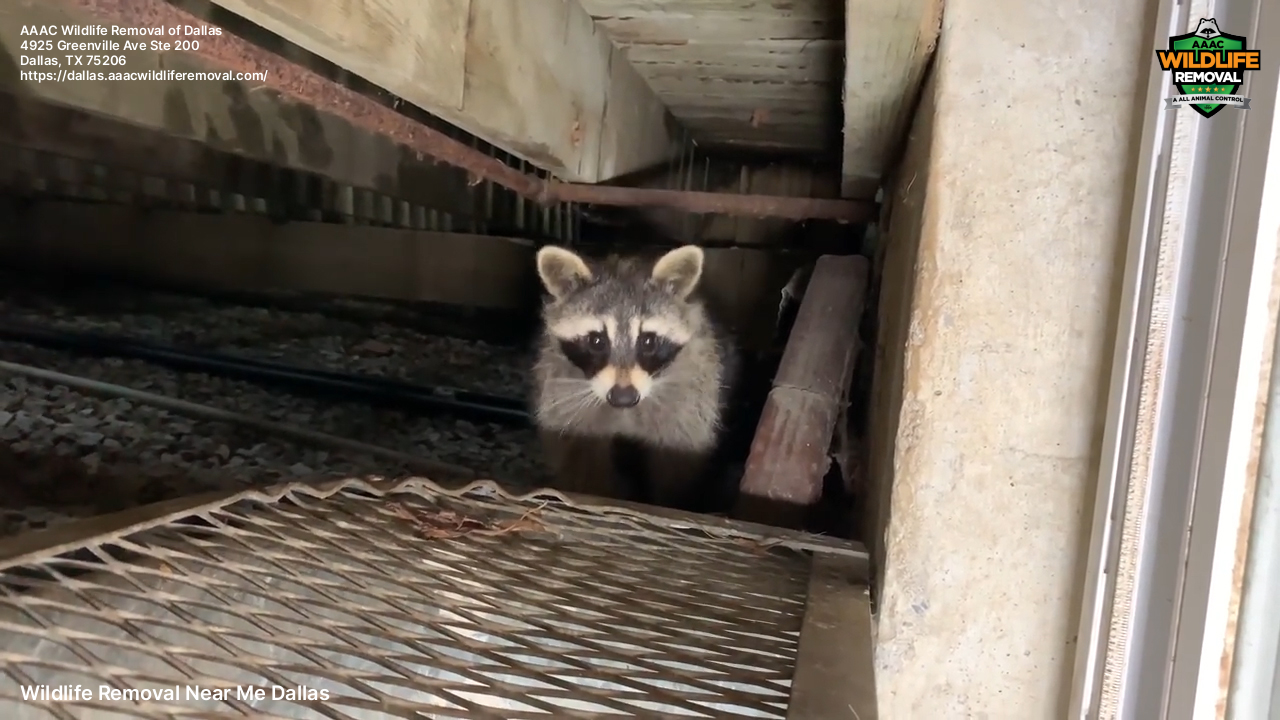
Raccoon removal typically focuses on finding a primary breach. Raccoons are large and leave decisive openings. The inspector looks for fur on rough plywood edges, prints in dust on the top of flex duct, and flattened soffit panels. If pups are present in spring, removal pivots to a reunion plan: relocate the mother with the pups placed in a warming box outside the entry, then seal after she relocates them. Trapping an active mother while pups remain inside guarantees chaos. Anyone who does this regularly will explain the timeline and the nighttime behavior you should expect during this process.
Squirrel removal recognizes their relentless chewing habit. An inspector not only identifies the current entry but also assesses materials nearby. Thin aluminum coil, foam, or wood edges will not hold up. The plan must harden the perimeter. Squirrels commonly maintain multiple access routes, so a thorough walk is essential. Trapping alone rarely solves the problem if you leave a soft edge two feet away.
Bat removal involves no traps. The inspection establishes whether you have a day roost on the exterior or a maternity colony inside structural cavities. Timing dictates everything. In Texas, the no-exclusion window typically spans the late spring to mid-summer weeks when nonflying pups are present. A clear explanation of timing is a hallmark of a responsible operator. Expect a phased plan: pre-seal secondary gaps, install one-way devices at primary exits, verify a clean outflow over several nights, then remove devices and permanently seal.
What a straightforward estimate should include
The written estimate should read like a map, not a mystery. It should name the species or suspected species, list the entry points with photos, describe the removal method, detail exclusion materials and locations, outline cleanup and sanitation if needed, and define monitoring and follow-up visits. You should see a schedule for trap checks or device checks. Most states require traps be checked daily or at least on a fixed legal cadence. Ask how your provider adheres to that requirement.
Warranty details matter. A strong wildlife removal service specifies what is warranted, how long, and what voids coverage. If only the repaired points are under warranty, say that clearly. If the entire roofline is covered because it was comprehensively hardened, that should be stated. Vague promises are a red flag.
Pricing varies by region and complexity. A single-entry squirrel job with basic sealing might fall in a mid-three-figure range, while a multi-entry raccoon den with heavy attic contamination and insulation replacement climbs into the thousands. Bat exclusion on a large home is often the highest due to the number of seams and the labor to pre-seal and device-manage across a long roofline. Clarity is your friend. Ask what is optional versus critical.
The inspection tools you might see and why they matter
Basic gear includes powerful flashlights, headlamps, ladders, gloves, and respirators for attic work. Many teams carry moisture meters or non-contact thermometers, because water damage and wildlife entry often travel together. UV lights can help identify urine trails, particularly with rodents. An inspection mirror or borescope helps reduce invasive probing. Some crews bring smoke pencils to visualize air movement at suspected bat gaps during the right conditions.
If your provider arrives with nothing but a clipboard and a single ladder for a complex roof, they may be excellent climbers, but the work will go slower and might miss hidden areas. Conversely, tools don’t replace judgment. A measured approach, steady documentation, and consistent safety protocols are a better predictor of results than any single gadget.
What you should do before the appointment
A few preparation steps make the inspection smoother and more accurate.

- Clear access to the attic hatch, garage walls, and any crawlspace entry. Move vehicles out from under roof edges where ladder placement is likely. Note the times and locations of noises or sightings for at least three days prior. Photos of droppings, tracks, or disturbed insulation help. Secure pets. Dogs react strongly to attic noises and traps. Cats bring in secondary wildlife like lizards or small snakes that can confuse sign. Hold off on do-it-yourself sealing or expanding foam. Trapping animals inside adds stress and damage, and foam is not a wildlife barrier. Avoid baiting or poison. Rodenticide drives animals to die in inaccessible spaces, creating odor, flies, and long cleanup timelines. Let the inspector align methods to species.
These steps shorten the appointment and increase the odds that the inspector pinpoints the problem efficiently. They also reduce risk, especially when ladders and attic access are involved.
Why “just set a trap” is a losing strategy
Traps have a place, especially for raccoons that won’t leave pups or for trap-wise squirrels that have established routines. But a trap without understanding routes, food pressures, and structural vulnerabilities is guesswork. Animals can be caught while the openings remain, only for new animals to arrive later. In certain neighborhoods, especially those near creeks or greenbelts in and around Dallas, raccoon densities are high enough that an open roof is an invitation, not a one-time incident.
A methodical, exclusion-first plan cuts off the invitation. Humane trapping or one-way devices then resolve the active occupants. If the inspection feels like detective work followed by construction planning, you’re in the right hands. If it feels like a sales push for snap traps by the dozen, keep asking questions.
Cleanup and deodorization that actually works
After removal and exclusion, some attics need more than a sweep. Light raccoon latrine areas require spot removal of contaminated insulation, thorough vacuuming, and an enzyme-based disinfectant that breaks down organic residue without perfumed cover-ups. Heavily soiled spaces might warrant partial or full insulation replacement. Expect a discussion about R-values, material type, and whether baffles or air sealing around recessed lights needs attention. This is where pest abatement dovetails with home performance. A well-sealed attic discourages wildlife and improves comfort.
Odors on siding or around soffit breaches fade, but not immediately. An inspector can recommend oxidizing treatments that neutralize smell without leaving a residue. In bat work, guano cleanup depends on depth. Shallow scatter can be vacuumed and bagged. Deep deposits require containment, proper PPE, and disposal consistent with local regulations.
The Dallas factor: local patterns worth knowing
Wildlife control in Dallas has seasonal rhythms. After spring storms, soffit returns loosen and ridge vent nails back out, leaving scalloped gaps. In July and August, heat drives roof rats into cooler lower walls and garages, then back up at night. Oak mast years dial up squirrel pressure on certain neighborhoods, especially near mature tree canopies that overhang roofs. Bats often prefer older gable vents with rusted screens on homes built before the late 1990s, and multifamily structures along creek corridors draw mixed-species roosts.
A local wildlife trapper tracks these patterns. The inspection reflects that awareness: a quick glance finds the usual suspects, while the rest of the time focuses on the oddball issues that make your house unique. If your provider works across North Texas, they’ll ask about recent hail or high-wind events. Even if you didn’t see damage from the street, soffit vent lips and ridge vent fasteners may have lifted just enough.
How long the process takes and what the next week looks like
A typical single-species problem moves like this. Day one is inspection and estimate. If you approve on the spot, many teams set devices the same day and begin exclusion prep at secondary gaps. Over the next two to five days, traps or one-way doors do their work while the crew checks and adjusts. For squirrels and raccoons, capture or verified exit usually happens early if the setup is good. For bats, the timeline is longer because you’re watching nightly exits and making sure every animal leaves before sealing the primary points.
Once animals are out, final exclusion and any cleanup follow. For a raccoon den with pups, you may hear increased commotion the first night after the reunion box is placed, then quiet as the mother relocates. For squirrels, expect daytime scratching to taper off to silence. For bats, you’ll notice guano piles stop growing, and nighttime rustling in the walls fades after several quiet evenings.
The trapper should review the attic post-removal, confirm silence and lack of fresh sign, and walk you through photos of the sealed points. Good communication during this stretch builds confidence and prevents surprises.
Red flags during an inspection
Not every provider approaches nuisance wildlife management with the same care. Watch for shortcuts and vague claims. If an inspector refuses to go on the roof on a safe weather day and relies only on ground-level views for roofline issues, the plan will be incomplete. If they propose poison for squirrels or raccoons, that is not wildlife control. If they insist bats can be excluded in the middle of maternity season without mentioning timing, find another provider.
Another red flag is a no-photos policy. You’re paying for knowledge and labor. Visual documentation shows you what they saw and what they fixed. Finally, beware of lifetime warranties without conditions. Roofs age, storms happen, and wood dries and shifts. Honest warranties set clear expectations.
What a homeowner can do to help long term
The inspector’s recommendations will include maintenance steps you can manage. Trim trees 8 to 10 feet back from the roof where possible. Replace flimsy vent covers with louvered metal units that include a wildlife screen. Maintain tight-fitting garage door seals and weatherstripping. Keep pet food indoors and secure trash. If you have a vegetable garden or koi pond, consider motion lighting or low fencing that discourages late-night visitors. These aren’t cure-alls, but they lower pressure so the exclusion work holds.
For homeowners with regular rodent activity in older neighborhoods, quarterly monitoring helps. A good wildlife removal service will set exterior stations that do not rely on poison and will inspect seal points for weather-related changes. Consistency beats crisis.
A quick comparison of service types
Different companies advertise similar work with different labels. Here’s how to think about them without getting lost in jargon.
- Pest control, in its traditional sense, focuses on insects and rodents with recurring service. Some firms add wildlife as an extra, but their core systems are built around routine chemical applications and rodent monitoring. A dedicated wildlife removal service builds its work around inspection, trapping or one-way devices, and exclusion. They invest in ladders, roof safety, sheet metal tools, and attic cleanup gear. A wildlife pest control service sits between those two, offering rodent programs plus structural wildlife work with specialized technicians. The best of these operate like dedicated wildlife firms for anything larger than a rat. A pest wildlife trapper or wildlife trapper can mean an independent specialist or a technician within a company. Experience varies widely, so ask about training, species handled, and recent jobs similar to yours. A wildlife exclusion service is typically the construction arm of wildlife control, often part of the same company, responsible for the permanent sealing and hardening of the structure.
Choose based on your problem and the company’s demonstrated competence, not the label on the truck.
What to expect when you call a local team in Dallas
Local availability matters when a racket wakes you at 2 a.m. Many wildlife control Dallas providers offer next-day inspections and emergency calls for animals in living spaces. They know city code and common builder details in neighborhoods from Lakewood to Frisco to Cedar Hill. Expect questions about your roof type, home age, and nearest green space. After the inspection, the plan will likely blend trap placement, device installation, and exclusion. If bats are suspected, timing governs the schedule. If squirrels are confirmed, quick action prevents chewing damage.
A good provider sets expectations about noise, visits, and what you might notice at night. They’ll ask for your help keeping pets away from set areas and for cooperation with attic access, which can be hot and cramped. You’ll get numbers you can call if you hear unusual commotion after dark.
Final thoughts from the field
An effective inspection feels like a calm, thorough conversation with the house. The inspector reads scars on wood, tracks in dust, and gaps in metal, then translates those signs into a plan that removes animals, repairs weaknesses, and respects the rhythms of wildlife. If you go into the appointment knowing what a methodical process looks like, you’ll recognize professionalism when you see it.
Whether you need squirrel removal before wiring suffers, raccoon removal that accounts for pups, or bat removal timed to protect nonflying young, the core principles stay the same. Start with a careful exterior and attic assessment. Use removal methods matched to the species and the season. Finish with strong exclusion and smart abatement. That’s the difference between a quiet home next month and another midnight scramble on the roof.